You and I Are Polar Opposites mines teenage anxiety for surprisingly profound romance
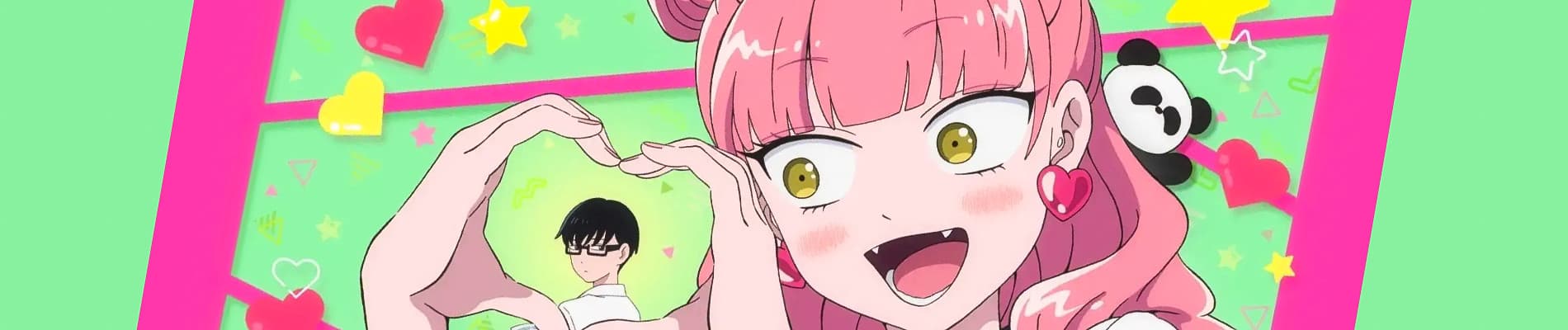
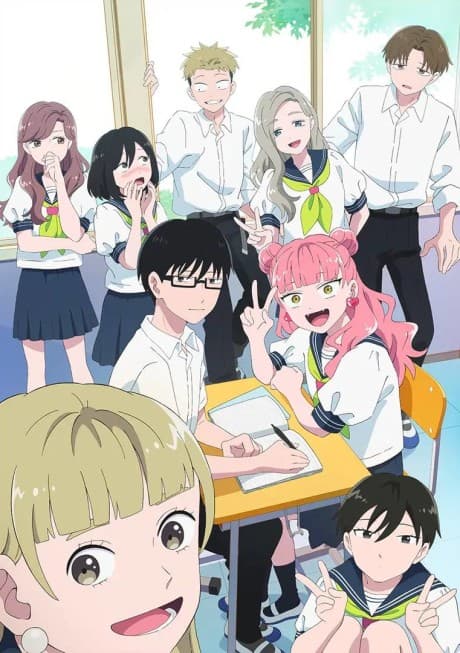
In an era where anime romance often defaults to either saccharine fluff or melodramatic angst, You and I Are Polar Opposites arrives like a quiet, thoughtful exhale. It’s a show that understands the terror of high school crushes isn’t just about rejection—it’s about the existential dread of being truly seen. Suzuki, our perpetually cheerful protagonist, doesn’t just want to date Yusuke Tani; she wants to crack the code of his stoicism, to prove that her bubbly exterior can bridge the gap to his silent interior. What makes this series from Lapin Track so compelling isn’t the will-they-won’t-they tension (though there’s plenty of that), but how it weaponizes the mundane to explore the universal fear of incompatibility. Think Kaguya-sama: Love Is War stripped of its battle metaphors and replaced with the raw, cringe-inducing honesty of The End of the F**ing World*, if that show were set in a Japanese classroom instead of a British road trip.
The quiet terror of being yourself
You and I Are Polar Opposites excels in its microscopic focus on social performance. Suzuki isn’t just outgoing; she’s performing outgoingness, a girl so desperate to fit in that her personality feels like a carefully curated Instagram feed. Every laugh, every group chat, every attempt to be “normal” is tinged with anxiety, a stark contrast to Yusuke’s apparent indifference. The show’s genius lies in how it slowly reveals that both characters are trapped by their personas—Suzuki by her need to be liked, Yusuke by his refusal to engage. In one standout scene, Suzuki practices asking Yusuke out in front of a mirror, her smile cracking under the pressure of her own expectations. It’s a moment that will resonate with anyone who’s ever rehearsed a conversation that never happened, and it underscores the series’ central thesis: teenage romance is less about love and more about the terrifying project of self-discovery.
Lapin Track’s minimalist magic
Visually, You and I Are Polar Opposites is a masterclass in subtlety. Studio Lapin Track, known for its work on quieter series like Skip and Loafer, employs a soft, pastel-heavy palette that feels both nostalgic and slightly melancholic. The animation isn’t flashy—there are no sakuga explosions or elaborate fantasy sequences—but it’s precisely calibrated to the emotional beats of the story. Close-ups on Suzuki’s trembling hands or Yusuke’s barely perceptible eyebrow raises convey more than any monologue could. The direction leans into silence, using lingering shots and sparse background details to create a world that feels both intimate and isolating. It’s the kind of aesthetic that recalls the grounded realism of The Tatami Galaxy or March Comes in Like a Lion, where the environment becomes a character in its own right, reflecting the protagonists’ inner turmoil without ever shouting about it.
Why opposites attract (or don’t)
Where many romance anime rely on tropes like love triangles or supernatural gimmicks, You and I Are Polar Opposites finds drama in the quiet clash of personalities. The series smartly avoids painting Yusuke as a “cold guy with a heart of gold” archetype; instead, he’s genuinely enigmatic, his motivations obscured by his own social reticence. This forces Suzuki—and the audience—to question whether their differences are complementary or fundamentally incompatible. The show dabbles in themes of social conformity and individualism, asking if Suzuki’s desire to change for Yusuke is a betrayal of herself or a necessary step toward growth. It’s a nuanced take that feels refreshing in a genre often content with simplistic binaries, and it’s bolstered by sharp, witty dialogue that balances humor with pathos. When Suzuki nervously blurts out, “Do you think people can ever really understand each other?” it’s played for laughs, but the question hangs in the air, heavy with implication.
The bottom line
You and I Are Polar Opposites is a small show with big ideas. It’s not perfect—at 12 episodes, some of the supporting characters feel underdeveloped, and the pacing occasionally drags in the middle—but its strengths far outweigh its flaws. By focusing on the anxiety of connection rather than the euphoria of romance, it offers a poignant, often painfully relatable portrait of teenage life. In a media landscape saturated with high-stakes fantasy and bombastic action, this series is a reminder that sometimes the most compelling stories are the ones that happen in the quiet spaces between words. Final Score: 8/10 – A thoughtful, beautifully crafted romance that earns its emotional weight.