To Be Hero X weaponizes social media anxiety into a surprisingly profound superhero deconstruction
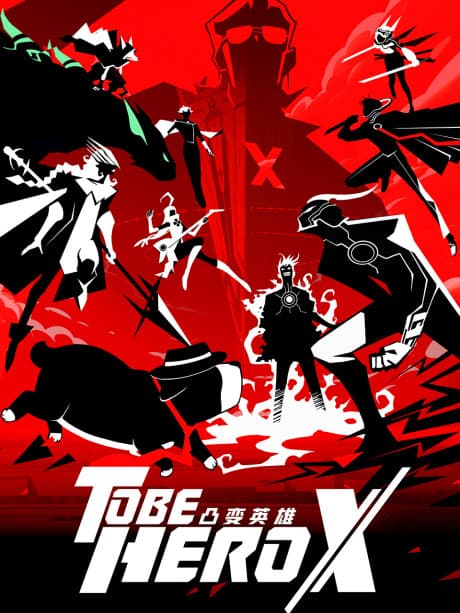
There's a particular kind of modern dread that To Be Hero X understands better than most anime: the anxiety of watching your social credit score fluctuate in real time. In a world where heroes are literally powered by public trust—quantified, tracked, and displayed on everyone's wrist like some dystopian Fitbit—director Li Haoling has created what might be the most prescient superhero story of our influencer-saturated era. This isn't just another power fantasy; it's a 24-episode interrogation of what happens when heroism becomes a popularity contest, when saving lives depends on maintaining your trending metrics, and when the line between genuine virtue and performative altruism blurs into statistical noise. Paper Plane Animation Studio's ambitious series takes the familiar superhero framework and injects it with the specific anxieties of our digital age, creating something that feels both wildly inventive and uncomfortably familiar.
When heroism becomes a numbers game: The quantified self as superpower
At its core, To Be Hero X presents a world where the most fundamental human quality—trust—has been gamified into a competitive system. The premise is deceptively simple: gain enough trust points, get superpowers. But the implications are anything but. This creates heroes who aren't just fighting villains; they're constantly managing their public image, calculating which heroic acts will yield the best trust ROI, and navigating the precarious balance between genuine heroism and crowd-pleasing spectacle. Characters like Ghostblade (with his 235 favorites on MyAnimeList, suggesting he's the fan favorite for good reason) and Lin Ling operate in this space where every action is both a moral choice and a strategic calculation. The series smartly explores how this system corrupts from within—not through some evil overlord's machinations, but through the natural human tendency to optimize for the metrics that matter. It's like if Twitter engagement determined who got to wear capes, and the results are as messy and fascinating as you'd expect.
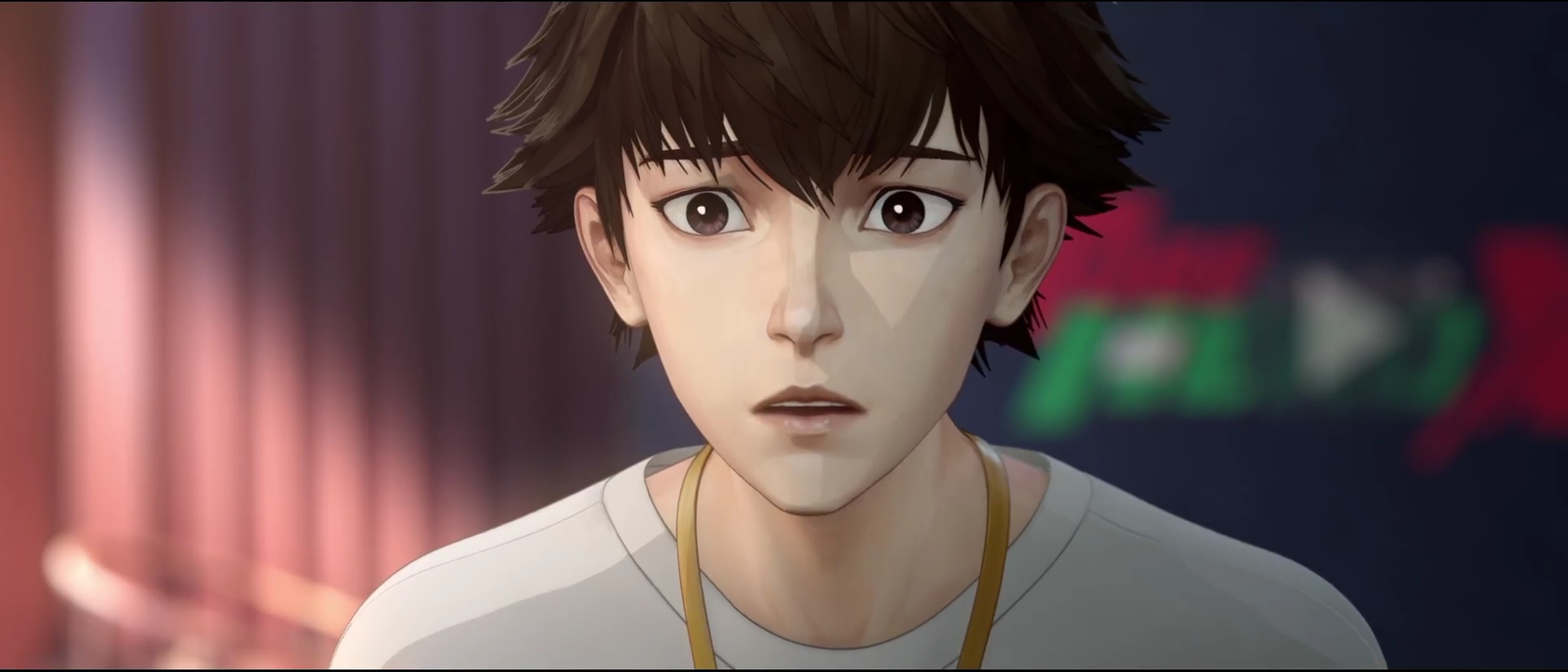
The ghost in the machine: How Sawano's score elevates the existential dread
Hiroyuki Sawano's involvement in To Be Hero X isn't just a selling point—it's integral to the series' emotional architecture. Known for his work on Attack on Titan and 86, Sawano brings his signature blend of orchestral grandeur and electronic anxiety to a series that's fundamentally about the tension between human connection and systemic quantification. The opening theme "INERTIA" (which also serves as the ending for episode one in a clever bit of narrative symmetry) perfectly captures the show's central conflict: the struggle against the momentum of a system that reduces human relationships to data points. Sawano's music doesn't just accompany the action; it comments on it, with swelling strings during moments of genuine connection and glitchy electronic textures when the trust system's artificiality becomes most apparent. It's a score that understands this isn't just a superhero story—it's a story about what happens when we outsource our moral judgments to algorithms, and the music's emotional complexity reflects that layered reality.
From Link Click to hero deconstruction: Li Haoling's evolving thematic obsessions
Director Li Haoling's fingerprints are all over To Be Hero X, and understanding his previous work—particularly the time-travel mystery Link Click—helps contextualize what he's attempting here. Where Link Click explored memory, trauma, and the ethics of witnessing the past, To Be Hero X turns that same analytical eye toward social systems and collective belief. Both series share a fascination with how abstract concepts (time, trust) shape human reality, but To Be Hero X feels like the natural evolution of those ideas into a more overtly political and social register. Li isn't just telling a superhero story; he's using the genre to ask uncomfortable questions about our own relationship to social validation. The community reviews on MyAnimeList reflect this ambition, with user Alfredknight calling it "what modern anime has lost" and mikquella praising its blend of "absurdity, heart, and the true meaning of a hero." These responses suggest Li has tapped into something that resonates beyond surface-level entertainment—a hunger for stories that engage with contemporary anxieties rather than offering escapism from them.
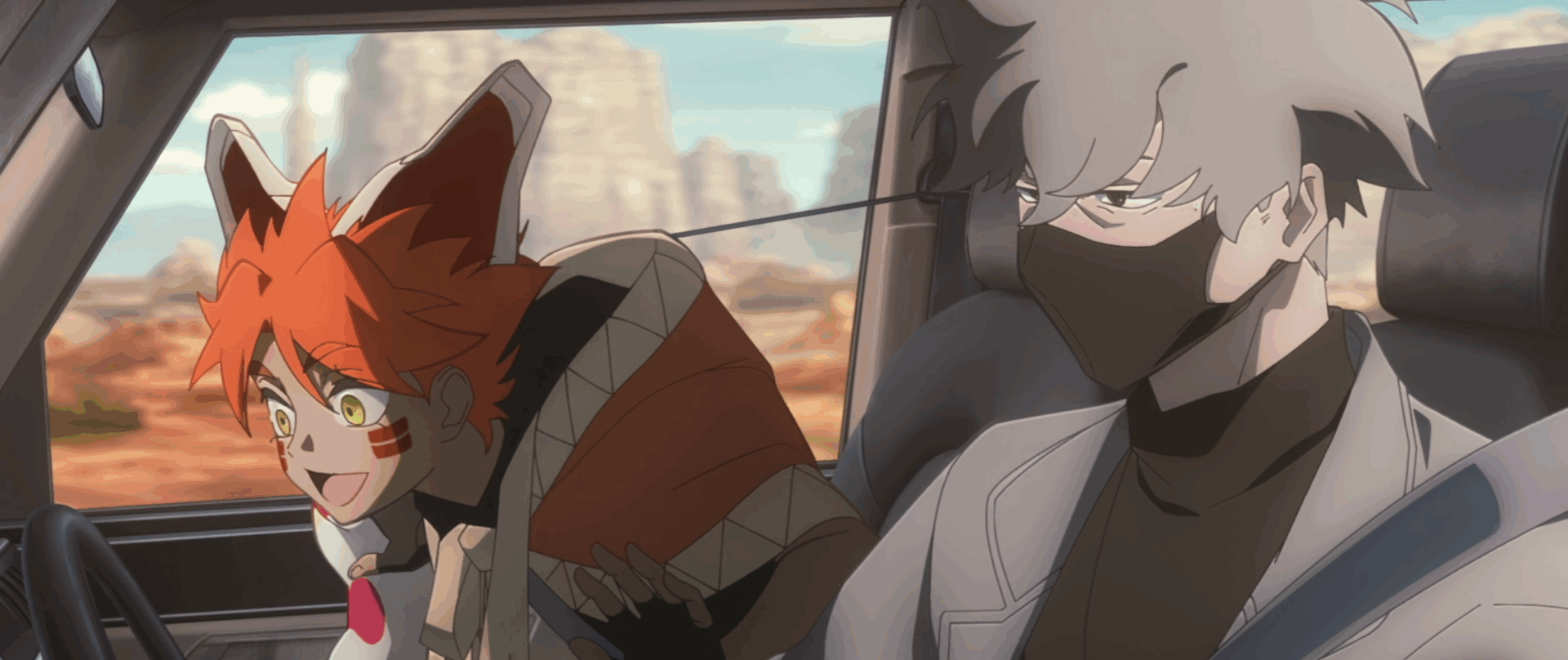
The ensemble paradox: Too many heroes, not enough development?
If To Be Hero X has a significant weakness, it's in the sheer scope of its cast. With six main characters (Ahu, Dragon Boy, Ghostblade, Lin Ling, Little Johnny, and Loli) and presumably more supporting players across 24 episodes, the series sometimes struggles to give everyone meaningful development. The MyAnimeList favorites data tells its own story here: Ghostblade leads with 235 favorites, while Dragon Boy trails with only 13. This disparity suggests what many viewers likely felt—that some characters resonate more deeply than others, and the ensemble approach occasionally spreads the narrative focus too thin. Yet there's an argument to be made that this is intentional: in a world where trust is quantified and heroes compete for public attention, some characters naturally become more "successful" than others. The series mirrors its own themes in its character distribution, creating a hierarchy of narrative importance that reflects the in-world hierarchy of trust. Still, characters like Ahu and Lin Ling deserve more consistent exploration, and the series' ambition sometimes outpaces its ability to deliver satisfying character arcs for everyone.
Chinese animation's quiet revolution: To Be Hero X as cultural bridge
To Be Hero X arrives at an interesting moment for Chinese animation, positioned somewhere between cult favorite and mainstream breakthrough. With 229,729 members on MyAnimeList but only #1213 in popularity, it occupies that sweet spot of being discovered rather than imposed—the kind of series that builds its audience through word-of-mouth rather than marketing blitz. This feels appropriate for a show about earned trust rather than manufactured popularity. Community reviewer Drakmalar notes that director Li Haoling is "spearheading chinese anime's insertion into the broad, western market," and To Be Hero X supports that thesis. It doesn't feel like it's trying to imitate Japanese anime so much as engage in conversation with it, taking familiar genre conventions and filtering them through a distinctly contemporary Chinese sensibility. The result is something that feels both globally accessible and culturally specific—a balancing act that few series manage this well.

The trust economy and its discontents: Why this premise matters now
What makes To Be Hero X feel particularly relevant isn't just its clever premise, but how thoroughly it explores the implications of that premise. This isn't a one-note satire of social media; it's a sustained investigation of what happens when interpersonal relationships become transactional, when moral worth gets reduced to numerical value, and when public perception matters more than private integrity. The series understands that our real-world trust economies—from credit scores to social media followers to workplace performance metrics—create similar pressures and distortions, just without the superpowers. When characters like Little Johnny and Loli navigate this system, they're confronting versions of the same dilemmas we face in our increasingly quantified lives. The genius of To Be Hero X is that it makes these abstract social dynamics visceral and dramatic, turning algorithmic anxiety into superhero spectacle without losing sight of the human cost.
The final calculation: Why To Be Hero X deserves more than its modest popularity suggests
With an 8.5/10 score on its official page and 8.7/10 on MyAnimeList (ranking #68), To Be Hero X occupies that interesting space of being critically respected but not widely seen. This feels appropriate for a series about the gap between genuine quality and popular recognition. The community is divided in telling ways: AlexSonicfun2012's review acknowledges it as "A Bold Step Forward for Chinese Animation, but Not Without Flaws," while Vivshan describes it as "A Gray puzzle which needs to be connected." Both perspectives capture something true about the series—it's ambitious but uneven, brilliant in moments but occasionally overstretched across its 24 episodes. Yet its ambition is precisely what makes it worth engaging with. In an anime landscape crowded with isekai power fantasies and battle shonen tropes, To Be Hero X offers something rarer: a superhero story that actually has something to say about the world we live in right now. It's not perfect, but its imperfections feel like the natural byproduct of aiming for something genuinely challenging and new.
Final Score: 8/10 – A flawed but fascinating deconstruction of heroism in the age of algorithmic validation.
To Be Hero X succeeds not because it delivers flawless superhero action (though it has plenty of that), but because it understands that the most interesting battles aren't against supervillains, but against the systems that shape what heroism even means. In a culture obsessed with metrics, rankings, and quantified value, Li Haoling's series asks what gets lost when we reduce human virtue to data points—and what might be worth fighting for beyond the numbers. It's a question that feels increasingly urgent, and To Be Hero X tackles it with more intelligence, heart, and stylistic verve than any series about wrist-mounted trust scores has any right to. Sometimes the most heroic thing a story can do is make you question what heroism really costs.