'Tis Time for "Torture," Princess Season 2 weaponizes comfort food as psychological warfare
There's a particular kind of anime that understands something fundamental about our relationship with media in the streaming era: sometimes, we don't want to be challenged, we want to be comforted. Not in the gentle, melancholic way of something like Frieren: Beyond Journey's End, but in the aggressively pleasant, low-stakes way of a warm blanket and a cup of tea. Enter 'Tis Time for "Torture," Princess Season 2, a show so committed to its premise of weaponized coziness that it feels less like a narrative and more like a cultural mood stabilizer. In a landscape where every other fantasy anime seems determined to out-grimdark its predecessors—where trauma is currency and suffering is plot—this PINE JAM production dares to ask: what if the ultimate torture was just... really nice food?
The Subversive Simplicity of a One-Joke Premise
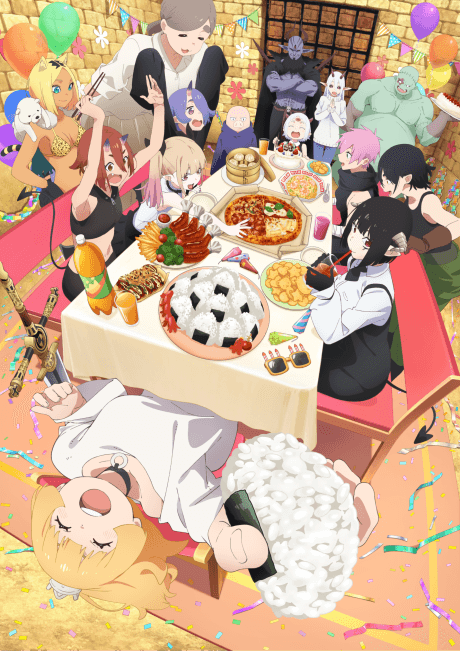
At first glance, 'Tis Time for "Torture," Princess appears to be the anime equivalent of a dad joke stretched to feature length. Princess Hime, wielder of the mythical Excalibur, is captured by the demonic Hellhorde. Her interrogator, the ironically named Tortura, subjects her not to racks or thumbscrews, but to fluffy toast, steaming ramen, and other culinary delights. The joke, of course, is that Hime's iron will against actual torture crumbles instantly before the siren song of carbs. It's a premise that should wear thin by episode three, yet director Youko Kanamori and her team have somehow spun this single concept into a second season that feels both inevitable and surprisingly necessary. The genius lies not in expanding the premise, but in deepening our understanding of its absurd internal logic. Each episode becomes a study in how far you can push a character's resistance before the sheer, overwhelming niceness of their circumstances breaks them. In an era where anti-heroes brood and protagonists suffer, Hime's struggle against comfort feels like the most radical conflict imaginable.
Tortura: The Demon Who Mastered the Art of the Cozy Apocalypse
If Hime is the show's straight woman—the noble warrior slowly succumbing to domestic bliss—then Tortura is its secret weapon. With 77 favorites on MyAnimeList (nearly double Hime's 36), it's clear audiences have latched onto this demon interrogator who approaches her job with the cheerful efficiency of a particularly dedicated barista. Tortura isn't evil in any traditional sense; she's simply excellent at her job, which happens to be breaking prisoners through kindness. There's something deeply unsettling about her methodology when viewed through the lens of classic interrogation techniques. Where the CIA might use sleep deprivation, Tortura uses the perfect soft-boiled egg. Where a KGB agent might employ psychological manipulation, Tortura employs a freshly baked croissant. Her character represents a fascinating inversion of power dynamics: the captor who gains control not through fear, but through the meticulous curation of pleasure. In a cultural moment obsessed with 'self-care' and 'treating yourself,' Tortura emerges as the ultimate anti-villain, weaponizing wellness culture against a medieval warrior princess.
Visual Comfort Food: PINE JAM's Aesthetic of Cozy Captivity
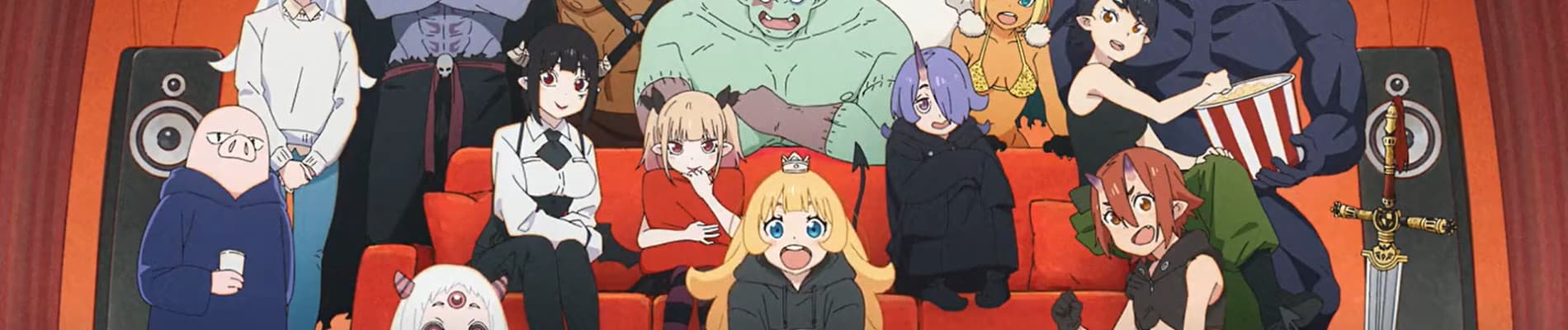
Visually, the series is a masterclass in making imprisonment look Instagrammable. Chief Animation Director Toshiya Kouno and Director of Photography Yuki Kamiya have crafted a palette that feels like autumn in a coffee shop—all warm browns, creamy whites, and the occasional pop of food coloring. The Hellhorde's dungeon isn't some dank, dripping cavern; it's a well-lit, surprisingly homey space where the lighting always seems to hit the steam rising from a bowl of ramen at just the right angle. This aesthetic choice does more than just look pretty—it reinforces the central joke while creating genuine visual tension. When we see Hime chained to a wall, our brains expect grim darkness; instead, we get what looks like a particularly cozy bakery. The disconnect between traditional fantasy visuals and this domestic aesthetic creates a cognitive dissonance that's both funny and strangely affecting. It's as if Studio Ghibli decided to make a prison drama, complete with all the food porn but none of the environmental messaging.
The Sound of Culinary Seduction: How Audio Design Sells the Bit
Sound director Jin Aketagawa deserves particular praise for understanding that food isn't just visual—it's auditory. The crisp crunch of perfectly toasted bread, the gentle slurp of noodles, the satisfying plop of a dumpling into broth—these aren't background noises but central narrative devices. The sound design in 'Tis Time for "Torture," Princess operates on the same principle as ASMR videos: it's engineered to trigger specific, pleasurable responses in the viewer. When Hime resists Tortura's offerings, we hear the food; when she eventually succumbs (as she always does), we hear her enjoyment of it. The musical choices reinforce this dichotomy perfectly. ILLIT's opening theme "Sunday Morning" sounds exactly like its title suggests—bright, cheerful, and utterly at odds with any traditional concept of imprisonment. Meanwhile, Yuika's ending theme "Ohimesama ni wa Narenai" ("I Can't Become a Princess") adds a layer of melancholy that suggests Hime isn't just being broken, but transformed. The audio landscape becomes a battleground where martial fanfares are replaced by the symphony of the kitchen.
Comfort as Conflict in the Age of Streaming
What makes 'Tis Time for "Torture," Princess more than just a pleasant diversion is how perfectly it captures a particular 21st-century anxiety. We live in an era where comfort is both commodified and weaponized, where algorithms learn our preferences to keep us scrolling, and where 'self-care' can become just another form of consumption. Hime's struggle against Tortura's kindness mirrors our own complicated relationship with ease and pleasure. Is giving in to comfort a failure of will, or simply human nature? The show's PG-13 rating and shounen demographic placement suggest it's aimed at teenagers, but its themes resonate with anyone who's ever doomscrolled when they should be working, or ordered takeout when they should be cooking. In making comfort the ultimate antagonist, the series taps into a very modern fear: that we might be imprisoned not by chains, but by our own desire for ease.
The Bottom Line: A Deliciously Unnecessary Necessity
With a MAL score of 7.66 and ranking at #1488 in popularity, 'Tis Time for "Torture," Princess Season 2 occupies that sweet spot of anime that's well-liked by its modest audience (21,342 members) without making waves in the broader cultural conversation. It's not trying to be the next Attack on Titan or Demon Slayer; it's content to be the anime equivalent of comfort food—reliable, pleasant, and exactly what you expect. Yet in its commitment to this narrow premise, it achieves something quietly radical: a fantasy series where the stakes are simultaneously trivial and profound. Princess Hime isn't fighting to save the world; she's fighting to maintain her identity in the face of overwhelming pleasantness. In an entertainment landscape crowded with apocalyptic stakes and existential dread, there's something genuinely revolutionary about a show that treats a perfectly cooked meal as the ultimate threat. Final Score: 7.5/10 – Not essential viewing, but a surprisingly thoughtful exploration of how we define resistance in an age of curated comfort.