Solo Leveling turns power fantasy into a beautifully animated, emotionally hollow spreadsheet
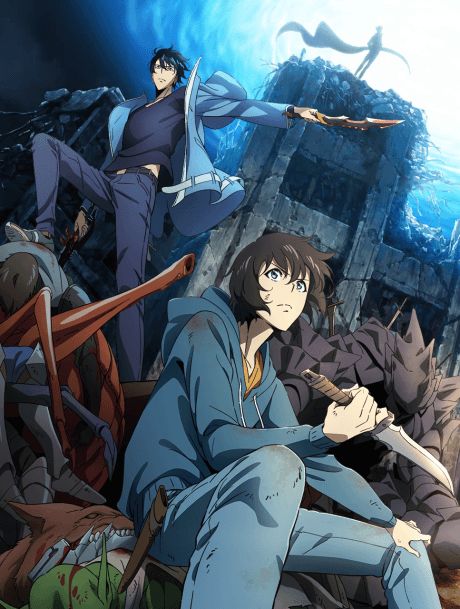
There's a particular kind of modern media consumption that feels less like storytelling and more like watching a progress bar fill up. You see it in video game live streams, in TikTok productivity hacks, and now, with alarming precision, in A-1 Pictures' adaptation of Solo Leveling. The anime arrives with the slick confidence of a triple-A video game launch trailer—all dramatic lighting, SawanoHiroyuki[nZk] bombast, and the promise of constant, escalating dopamine hits. Director Shunsuke Nakashige and his team have created something that feels engineered for the algorithmic age: a power fantasy so streamlined, so ruthlessly efficient in its delivery of cool moments, that it forgets to include anything resembling human texture. Watching Seong Jin-U go from the world's weakest hunter to its most overpowered feels less like a character arc and more like observing someone complete a particularly satisfying Excel spreadsheet.
The spreadsheet aesthetic: When leveling up replaces character development
Solo Leveling operates on a simple, almost mathematical premise: suffering equals strength. After being left for dead in a high-ranking dungeon, Jin-U awakens with "the System," a video game-like interface visible only to him that quantifies his every improvement. This isn't just a narrative device—it becomes the show's entire philosophy. Every fight, every training montage, every interaction exists to push numbers higher. Strength goes from 10 to 100. Agility ticks upward. New skills unlock with satisfying ping sounds. The problem, as community reviewer Wavieff astutely noted in their critique, is that "the biggest mistake of Solo Leveling happens so early on." That mistake is making the quantification of growth more compelling than the qualitative experience of it. We watch Jin-U become stronger, but we never truly understand what that strength means to him beyond survival. His relationships with supporting characters like Baek Yoon-Ho and Cha Hae-In feel like side quests rather than genuine connections, existing primarily to either showcase his new abilities or provide exposition about the dungeon system. The show treats character development with the same transactional logic as its leveling system: input effort, receive stat increase.
A-1 Pictures' technical flex: When animation becomes the entire personality
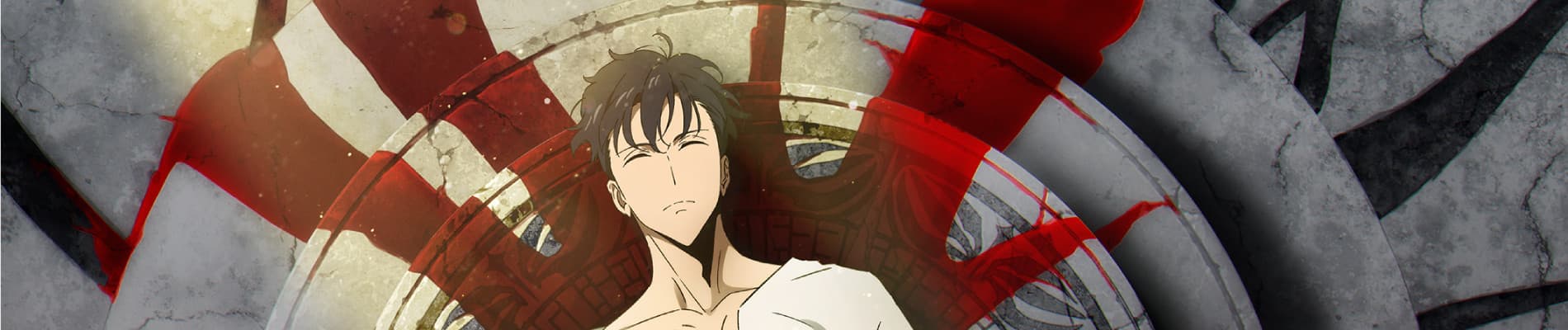
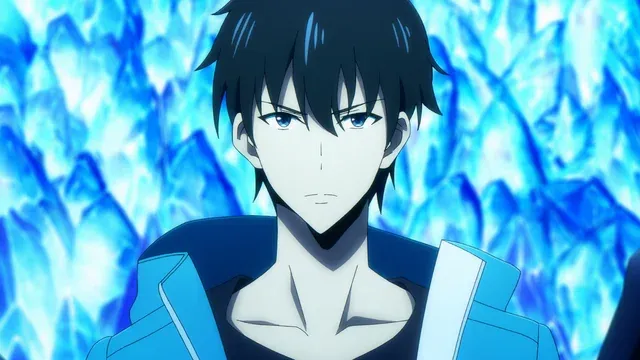
If the writing feels like a spreadsheet, the animation is a fireworks display projected onto that spreadsheet. This is where Solo Leveling truly excels, and where the 8.19 MAL score likely finds its justification. A-1 Pictures, working from the web manga source material, has created some of the most technically impressive action sequences of 2024. The fight choreography has weight and impact—when Jin-U moves, you feel the kinetic energy. The dungeon designs, particularly in later episodes, blend urban decay with fantasy grotesquerie in visually striking ways. The character designs, especially for Jin-U as he transforms from scrawny underdog to chiseled powerhouse, are executed with meticulous detail. Yet this technical excellence creates a strange dissonance. The show is so beautifully animated that it often feels like it's compensating for something—like a Michelin-star chef preparing instant ramen. Every punch, every magical effect, every slow-motion dodge is rendered with such care that it highlights how little substance exists between these moments. As one AniList reviewer put it, the show can feel like "a 9-year-old playing with action figures"—the play is visually impressive, but it's still just play.
The empty calories of power fantasy: Why Jin-U's journey feels weightless
Power fantasies work best when the power means something beyond itself. In Sword Art Online (which 8 voters on MAL said fans also liked), Kirito's abilities are tied to his relationships and trauma. In Dungeon ni Deai wo Motomeru no wa Machigatteiru Darou ka, Bell Cranel's growth is motivated by very human desires and insecurities. Jin-U's motivation begins compellingly enough—he needs to provide for his hospitalized mother and sister—but quickly becomes subsumed by the sheer mechanics of getting stronger. The System dictates his growth so completely that it removes any sense of personal choice or struggle. When every challenge can be overcome by simply grinding enough, tension evaporates. This creates what community reviewer befalt called "a hype dispenser that forgot to level up its noob-tier writing." The show delivers exactly what it promises—cool fights, satisfying progression, and a protagonist who becomes unstoppable—but it never asks why we should care beyond the surface-level spectacle. Even the R-17+ violence and profanity feel like checkboxes rather than meaningful tonal choices, included because that's what edgy action series do, not because they serve a particular narrative purpose.
The cultural context of the grind: Solo Leveling as a reflection of modern anxiety
Perhaps the most interesting way to read Solo Leveling isn't as a failure of storytelling, but as a perfect reflection of contemporary anxieties about self-improvement and productivity. In an era of optimization culture—where every aspect of life can be tracked, quantified, and improved—Jin-U's journey feels eerily familiar. He doesn't just get stronger; he completes daily quests, receives notifications about his progress, and constantly sees numerical representations of his worth. The show taps into the same psychology that makes productivity apps and fitness trackers compelling: the satisfaction of watching numbers go up. This might explain its massive popularity (#162 on MAL with over a million members) despite its critical shortcomings. It offers the fantasy of a world where self-improvement is perfectly quantifiable and always rewarded—where if you just grind enough, you will inevitably become the best. This makes it the perfect anime for the hustle culture era, even as it fails as a meaningful character study.
The soundtrack of spectacle: How SawanoHiroyuki[nZk] elevates empty moments
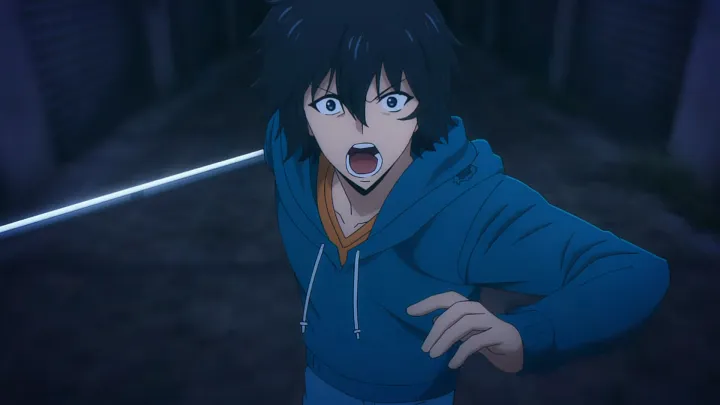
No discussion of Solo Leveling's impact would be complete without addressing its sonic landscape. The opening theme "LEveL" by SawanoHiroyuki[nZk]:TOMORROW X TOGETHER isn't just a song—it's a statement of intent. All soaring vocals, pounding percussion, and orchestral swells, it sounds like the theme to an epic fantasy trilogy condensed into 90 seconds. Sound director Ryou Tanaka deploys this musical sensibility throughout the series, using the score to inject emotional weight into scenes that lack it organically. A training montage feels more significant because the music tells us it's significant. A reveal of Jin-U's new abilities feels more awe-inspiring because the soundtrack swells at just the right moment. This isn't necessarily a criticism—film and television have used music to enhance emotion for a century—but in Solo Leveling, the disparity between what the music suggests and what's actually happening on screen becomes particularly noticeable. The score promises depth and grandeur that the writing rarely delivers, creating a strange experience where you feel like you're watching something more profound than you actually are.
The supporting cast as narrative furniture: Why Cha Hae-In and the others barely matter
A telling statistic from the MAL data: main character Sung Jin-Woo has 19,247 favorites, while the next most popular character, Cha Hae-In, has only 3,598. This disparity speaks volumes about the show's priorities. The supporting cast exists primarily as benchmarks for Jin-U's growth or sources of exposition about the world's mechanics. Cha Hae-In, despite being positioned as a potential romantic interest and fellow powerful hunter, never develops beyond her initial archetype. Baek Yoon-Ho serves as a mentor figure who quickly becomes obsolete as Jin-U outpaces him. Even Igris, the knight shadow that becomes one of Jin-U's most loyal soldiers, has more personality in his silent, armored presence than many of the human characters do in their dialogue. This isn't necessarily unusual for power fantasies—the protagonist is the point—but Solo Leveling takes it to an extreme that undermines its worldbuilding. If only one character matters in a world full of monsters and magic, why should we care about that world's survival?
The sequel setup: When franchise building overshadows storytelling
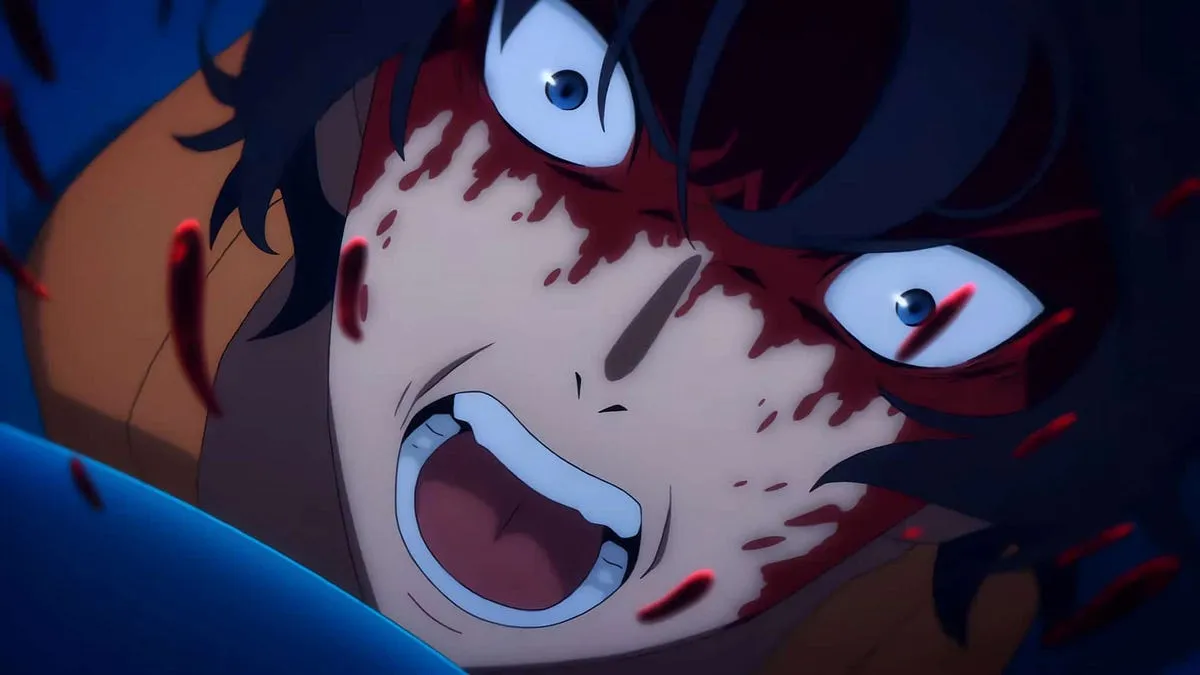
With Solo Leveling Season 2: Arise from the Shadow already announced, it's clear that this 12-episode season functions primarily as setup. The Blu-ray and DVD release schedule (March to June 2024) and the condensed adaptation of the web manga source material suggest a production designed for maximum marketability rather than artistic completeness. This explains some of the season's narrative choices—the rapid pacing, the focus on visual set pieces over character moments, the ending that feels less like a conclusion and more like an invitation to keep watching. In this context, Solo Leveling makes more sense as a product than as a standalone story. It's designed to generate hype, move merchandise, and build a franchise. This commercial reality doesn't invalidate the show, but it does explain why certain artistic choices were made. When your primary goal is to get viewers excited for the next season, deep character development becomes less important than memorable action sequences and cool character designs.
The bottom line: A spectacular achievement in style over substance
Solo Leveling represents a fascinating paradox: it's both incredibly well-made and fundamentally hollow. The animation by A-1 Pictures is frequently breathtaking. The action choreography sets a new standard for the genre. The sound design and music create an immersive sensory experience. Yet at its core, the show offers little beyond the immediate gratification of watching numbers go up. It's the perfect anime for an era of optimized consumption—beautifully packaged, efficiently delivered, and nutritionally empty. For viewers who prioritize spectacle over substance, who find genuine satisfaction in progression systems and power scaling, it delivers exactly what it promises. For those looking for emotional depth, thematic complexity, or memorable characters beyond the protagonist, it will likely feel as empty as a dungeon after the boss has been defeated. In the end, Solo Leveling is less a story about a hunter leveling up and more a reflection of what we value in our entertainment: the constant, quantifiable hit of achievement, even when that achievement doesn't mean anything beyond itself.
Final Score: 6.5/10 – A technical marvel that confuses spectacle for soul, perfect for viewers who want their power fantasies beautifully animated and completely frictionless.