Roll Over and Die weaponizes trauma to critique the isekai industrial complex
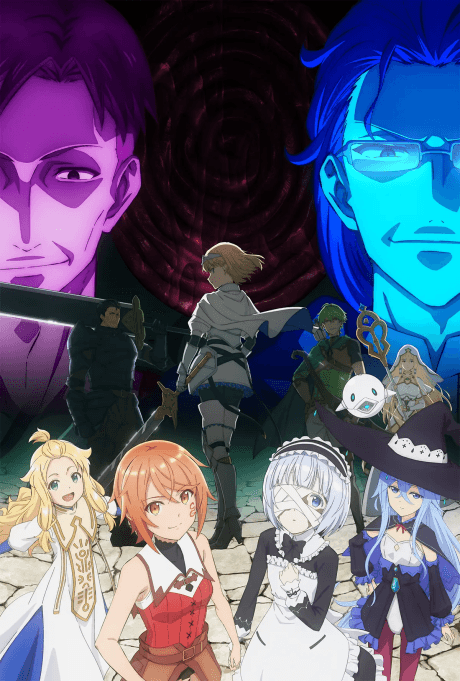
There's a particular cruelty baked into the DNA of modern isekai storytelling that Roll Over and Die: I Will Fight for an Ordinary Life with My Love and Cursed Sword! doesn't just acknowledge—it weaponizes. While most series in the genre treat their protagonists' suffering as a temporary inconvenience before the power fantasy kicks in, director Nobuharu Kamanaka's adaptation of the light novel series stares directly into the abyss of what it actually means to be the designated zero in a world of heroes. The show opens with Flum Apricot already at rock bottom, having been betrayed by her party, sold into slavery, and left as monster bait. This isn't the beginning of a hero's journey; it's what happens when the hero's journey fails you. In an era where anime protagonists regularly ascend to godhood through convenient power-ups, Roll Over and Die asks the uncomfortable question: What if the system is designed to break you rather than elevate you? What if the only way to survive is to embrace the very thing that was meant to destroy you?
When the chosen one is chosen for failure
Most isekai protagonists arrive in their new worlds with some inherent advantage—a cheat skill, unique knowledge, or at minimum, stats that aren't literally zero across the board. Flum Apricot represents the inversion of this fantasy, a character chosen by God not for greatness but for sacrificial utility. Her "Reversal" ability initially reads as a cruel joke, a power so poorly understood that it renders her useless in conventional combat. Yet this setup serves as a brilliant critique of the genre's obsession with measurable power. In a world where worth is quantified through stats and combat effectiveness, Flum's value becomes negative—she's not just weak, she's actively detrimental to the party's success. The show's early episodes meticulously document the psychological violence of this positioning, with party member Jean's relentless bullying evolving into outright betrayal. This isn't random cruelty for drama's sake; it's a logical extension of a system that treats individuals as disposable assets. When Flum is eventually sold into slavery, the show makes clear that this isn't an aberration but the natural conclusion of a world that only values utility. The genius of Roll Over and Die lies in how it weaponizes the very tropes it critiques—the betrayal, the slavery, the cursed weapon—not as plot devices but as systemic features of its fantasy world.
The cursed sword as metaphor for radical acceptance
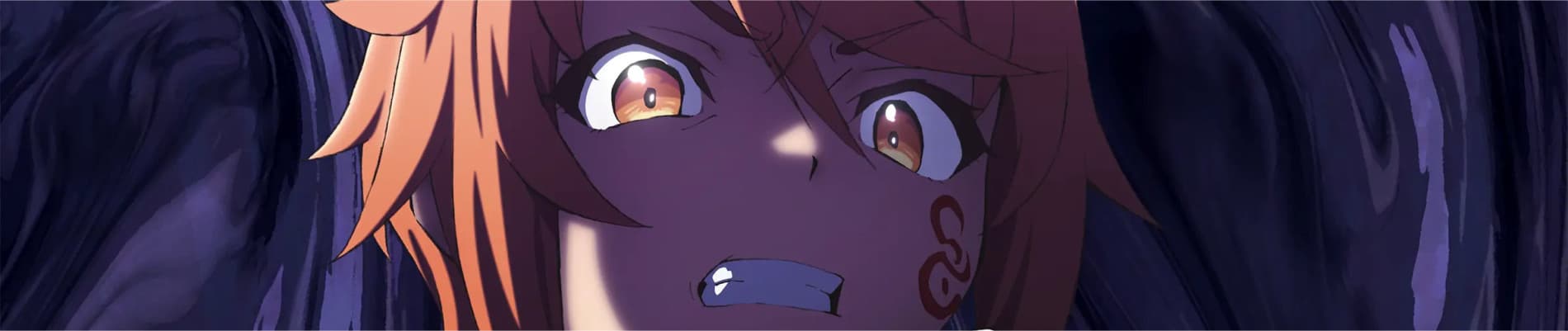
Flum's choice between the cursed sword and monster death represents one of the most compelling psychological moments in recent fantasy anime. The cursed sword—an object that inevitably brings death to its wielder—functions not as a power-up but as a suicide pact with delayed consequences. Yet in choosing it, Flum isn't embracing death so much as rejecting the passive victimhood her world has assigned her. The sword becomes a metaphor for radical acceptance: If the system is going to kill you anyway, you might as well die on your own terms, weapon in hand. This moment of agency, however bleak, marks the true beginning of Flum's "Reversal." The show's title suddenly gains multiple meanings—not just the reversal of her fortunes, but the reversal of narrative expectations, the reversal of power dynamics, and most importantly, the reversal of victimhood into something resembling agency. Director Kamanaka, working with the relatively modest resources of studio A.C.G.T., stages this transformation with remarkable psychological acuity. The animation may not be groundbreaking, but the direction understands that Flum's journey isn't about spectacular battles (at least not initially) but about the slow, painful process of reclaiming selfhood after systematic dehumanization.
Milkit and the economics of trauma bonding
Enter Milkit, the other main character whose presence transforms Roll Over and Die from a survival narrative into something more complex. Their relationship begins as a transaction—Flum purchases Milkit—but evolves into one of the most compelling dynamics in recent anime precisely because it refuses to sanitize its problematic origins. The show doesn't pretend that buying another person can be anything but horrific, yet it also recognizes that within systems of oppression, solidarity often emerges from shared trauma. Milkit's backstory, while not fully explored in the early episodes, hints at similar experiences of betrayal and dehumanization. Their connection becomes less about romance (though the title's promise of "love" suggests this direction) and more about mutual recognition—two people who understand what it means to be treated as disposable. This dynamic offers a fascinating critique of how fantasy narratives typically handle slavery, either romanticizing it (as in certain problematic isekai) or treating it as a temporary obstacle to be overcome. Roll Over and Die presents it as an ongoing psychological reality, a trauma that doesn't disappear with freedom but must be carried forward. The show's R-17+ rating for violence and profanity feels earned not because of gore (though there's plenty) but because of its unflinching examination of psychological violence.
Sound design as emotional landscape
Sound director Satoshi Yano and ADR directors Mattheus Caliano and Lee George create an aural environment that perfectly complements the show's psychological intensity. PassCode's opening theme "Liberator" arrives with the aggressive electronic energy of a rebellion anthem, its industrial beats mirroring the mechanical cruelty of Flum's world. Yet it's Yuki Tanaka's ending theme "I need" that provides the emotional counterpoint—a softer, more vulnerable track that hints at the longing for connection beneath Flum's survivalist exterior. The sound design throughout the series emphasizes isolation and intimacy in equal measure. In early scenes of Flum's mistreatment, ambient sounds drop away, leaving only the specific noises of her humiliation—the clink of chains, the dismissive laughter of her captors, her own ragged breathing. Later, as she begins to form a connection with Milkit, the soundscape opens up, allowing for moments of quiet conversation that feel revolutionary in their normalcy. This careful audio construction transforms what could have been a straightforward revenge fantasy into a nuanced study of trauma recovery. The sound doesn't just accompany the action; it maps Flum's internal journey from object to subject.
The 6.4/10 paradox and anime's middle class
Roll Over and Die currently sits at a 6.4/10 on Crunchyroll and 6.62 on MyAnimeList (ranked #6717 with only 31,005 members), numbers that tell a story about anime consumption in 2024. This isn't a show breaking records or dominating conversations, but rather occupying what we might call anime's "middle class"—competently made, thematically interesting, but lacking the polish or marketing push of major studio productions. Yet this positioning feels strangely appropriate for a series about being average in a world obsessed with exceptionalism. The show's modest production values at A.C.G.T. become part of its thematic texture: This isn't a glossy fantasy where every frame is a painting, but a gritty, sometimes awkward adaptation that mirrors its protagonist's struggle against systemic limitations. The comparison titles MyAnimeList users suggest—Saijaku Tamer wa Gomi Hiroi no Tabi wo Hajimemashita and Akuma no Riddle—reveal an audience seeking stories about undervalued characters fighting against predetermined roles. Roll Over and Die distinguishes itself by refusing to offer easy empowerment. Flum's victories, when they come, feel earned precisely because they're messy, painful, and never complete. The show understands that trauma isn't overcome in a single heroic moment but managed through daily acts of survival and connection.
The bottom line: An imperfect but essential critique
Final Score: 7/10 – Flawed but fascinating viewing for anyone tired of power fantasy clichés.
Roll Over and Die won't win awards for animation quality or narrative polish. Its pacing occasionally stumbles, its world-building can feel derivative, and its commitment to psychological realism sometimes clashes with its genre conventions. Yet these imperfections almost strengthen its central thesis: In a system designed to produce flawless heroes, sometimes the most radical act is simply surviving with your humanity intact. The show's greatest achievement is transforming Flum's "Reversal" ability from a plot device into a philosophical position—the power to invert expectations, to find strength in weakness, to build connection from trauma. In an anime landscape overflowing with protagonists destined for greatness, Flum Apricot's quest for an "ordinary life" feels like the most revolutionary goal imaginable. The show understands that sometimes, the most subversive fantasy isn't about becoming a god, but about remaining human against all odds. It's a messy, uncomfortable, and occasionally brilliant examination of what happens when the chosen one chooses herself instead of her destiny.