Reincarnated as a Dragon Hatchling crawls through isekai tropes with all the urgency of a newborn reptile
There's a particular kind of exhaustion that sets in around the 500th isekai protagonist to discover they've been reborn in another world, usually with some overpowered ability that makes their journey less about struggle and more about watching numbers go up. Reincarnated as a Dragon Hatchling initially seems like it might offer something different—our hero isn't reborn as a powerful adventurer or even a human, but as a fragile dragon egg in a dark forest, vulnerable and weak. Yet within minutes of director Yuuta Takamura's adaptation, it becomes clear that this show isn't so much subverting the genre as it is crawling through it at a pace that makes actual hatching look like a Formula 1 race. The premise promises a unique take on the isekai phenomenon, but what we get is more like watching someone play a poorly balanced RPG on the easiest difficulty setting while occasionally remembering they're supposed to be a dragon.
The slow burn that never catches fire
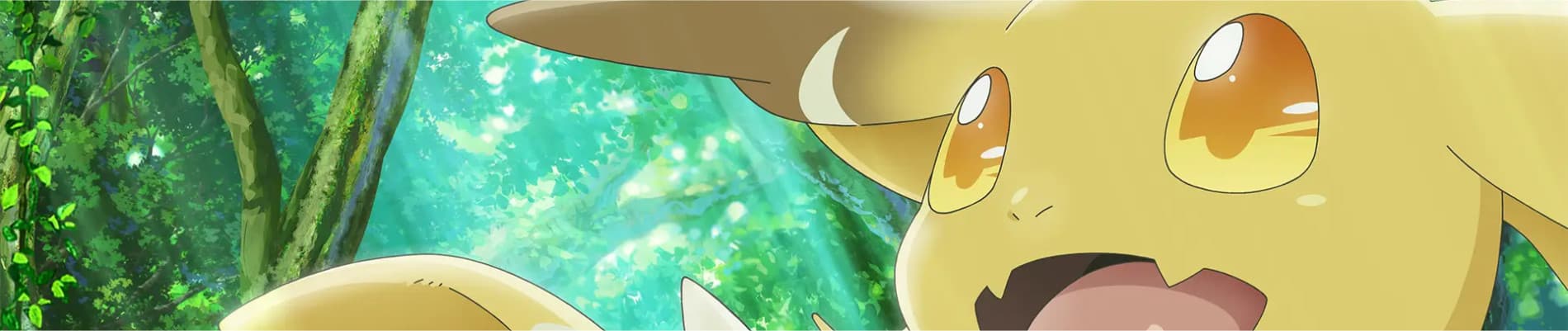
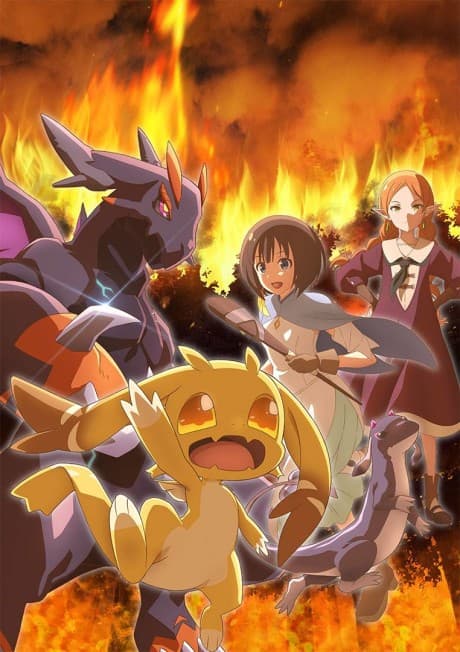
At its core, Reincarnated as a Dragon Hatchling suffers from what I'll call 'progression fantasy paralysis'—the inability to make incremental growth feel meaningful when the stakes remain stubbornly low. Our protagonist (who, in a telling lack of personality, doesn't even get a proper name in the promotional materials) begins as an egg, then a hatchling, then... well, a slightly larger hatchling. The show's central tension should be the vulnerability of this state, the constant threat of being eaten or crushed before reaching any semblance of power. Instead, what we get are endless scenes of the dragon—let's call him Illusia, since that's what the character list provides—slowly gaining abilities through a system that feels less like organic growth and more like checking boxes on a spreadsheet. The MAL score of 6.6/10 (#6870 in rankings) tells a story of its own: this is the kind of show that exists in the vast middle ground of anime, neither terrible enough to be memorable nor good enough to recommend. When your protagonist's most compelling characteristic is that he used to be human but now has scales, you've already lost the battle for narrative urgency.
When 'unique premise' meets generic execution
The most frustrating aspect of Reincarnated as a Dragon Hatchling is how it squanders its one genuinely interesting idea. Being reborn as a non-human creature offers fascinating possibilities for exploring consciousness, identity, and what it means to be 'other' in a fantasy world. Kumo desu ga, Nani ka? (one of the 'fans also liked' comparisons) understood this, giving its spider protagonist a distinct personality and perspective that transformed her monstrous form from limitation to advantage. Here, Illusia might as well be a human in a dragon costume for all the difference his form makes to his thought processes. The show gestures toward these deeper questions—there's a 'Voice of God' character who occasionally chimes in with exposition—but never commits to exploring them. Instead, we get the same tired isekai tropes dressed up in slightly different scales: leveling up, gaining skills, encountering other creatures who exist primarily to be either threats or allies. Art director Kazuhiro Arai's forest settings are competently rendered but generic, lacking the visual distinctiveness that might elevate the material. It's fantasy by numbers, delivered with all the passion of someone reading a light novel adaptation checklist.
The sound of mediocrity
Sound director Tsuyoshi Takahashi's work here exemplifies the show's overall approach: technically adequate but utterly forgettable. The opening theme "Gliding Claw" by Sizuk and ending "Sky Clipper" by TAO & SAK are the kind of anime songs that exist primarily to fill time slots rather than establish tone or character. They're not bad, exactly—they have melodies, instrumentation, vocals—but they lack any distinctive personality, much like the show they introduce. The sound design follows suit: forest ambience that could be pulled from any fantasy game's asset library, combat effects that lack weight or impact, and a musical score that tells you exactly how to feel at every moment without ever surprising you. In an era where anime soundtracks can become cultural phenomena in their own right (see: Attack on Titan, Chainsaw Man), Reincarnated as a Dragon Hatchling settles for background noise that never demands your attention. It's the aural equivalent of beige wallpaper—inoffensive, but you'd never choose it for your living room.
The supporting cast that barely supports
If Illusia is a blank slate, his companions Miria and the Voice of God are barely even that. With only 2 favorites each on MyAnimeList (compared to Illusia's whopping 7), these characters exist primarily to deliver exposition and provide something for our dragon protagonist to interact with. Miria, in particular, represents a missed opportunity—a potential foil or companion who could challenge Illusia's perspective or force him to confront his new reality. Instead, she functions more like a tutorial NPC, appearing when the plot requires explanation and disappearing when it doesn't. The Voice of God, meanwhile, is exactly what it sounds like: a narrative device masquerading as a character, delivering lore and system explanations without personality or motivation. Chief animation director Yumiko Ishii's team doesn't help matters—the character designs are serviceable but lack the distinctive flair that might make these figures memorable. When your main cast has less personality than the average mobile game gacha character, you've got a fundamental character problem that no amount of dragon evolution can fix.
Isekai in the age of oversaturation
To understand why Reincarnated as a Dragon Hatchling feels so underwhelming, we need to place it in the broader context of the isekai boom. The genre has moved through several phases: from the foundational works like Escaflowne and .hack//SIGN, through the mainstream breakthrough of Sword Art Online, into the current era of hyper-specialization where every possible reincarnation scenario has been explored (slime, spider, vending machine, you name it). What made shows like Tensei shitara Slime Datta Ken (another 'fans also liked' entry) work wasn't just the novelty of the premise, but how they used that premise to explore themes of community building, diplomacy, and what it means to wield power responsibly. Reincarnated as a Dragon Hatchling has all the surface elements—the RPG mechanics, the gradual power growth, the fantasy world—but none of the substance. It's isekai as comfort food for people who've eaten so much of it they can't taste it anymore. The 22,621 members on MAL who've checked it out represent not enthusiasm, but the genre's captive audience—people who will watch anything with 'reincarnation' in the title because they're hooked on the formula, not because this particular iteration offers anything new.
The bottom line
Reincarnated as a Dragon Hatchling isn't terrible television. The animation from studio GA-CREW is competent, the voice acting serviceable, the premise at least marginally more interesting than 'another teenager gets hit by a truck and becomes overpowered.' But competence isn't enough in an era where anime viewers have more options than ever before. When your show's most distinguishing characteristic is that your protagonist starts as an egg rather than a human, you're working with dangerously thin material. The 6.2/10 score on the source material and 6.6/10 on MAL tell the real story: this is the definition of mediocre, the kind of show that exists to fill a timeslot rather than to say anything meaningful. It's the anime equivalent of fast food—consumable in the moment, instantly forgettable afterward, and leaving you vaguely unsatisfied. For die-hard isekai completionists, it might provide some mild entertainment. For everyone else, there are better dragons to follow, better worlds to get reborn into, and better uses of 23 minutes at a time. Final verdict: 5/10 – Perfectly adequate background viewing while you scroll through your phone, which is perhaps the most damning criticism of all.