One Piece sails past shonen tropes to become a cultural juggernaut that redefines adventure
In the spring of 2000, as Toei Animation packaged One Piece's first film alongside Digimon Adventure in a theatrical double feature, few could have predicted that the rubber-limbed pirate Monkey D. Luffy would become not just another shonen protagonist, but the captain of a cultural phenomenon that would outlast entire generations of anime trends. While contemporaries like Naruto and Bleach would rise and fall, One Piece has continued its voyage with the stubborn persistence of a ship weathering a century storm. This isn't just an anime about pirates—it's a sprawling, messy, beautiful testament to what happens when world-building ambition meets genuine emotional sincerity, creating something that feels less like a television show and more like a living, breathing universe that millions have chosen to inhabit.

The Grand Line as narrative architecture: How Oda built a world that refuses to be contained
Eiichiro Oda's genius—and make no mistake, this is a work of narrative genius, despite its occasional pacing issues—lies not in creating a linear story, but in constructing a world so vast and interconnected that it feels like it existed long before Luffy set sail and will continue long after he finds the One Piece. The Grand Line isn't just a setting; it's a narrative device of staggering ambition, a geographical manifestation of the show's central philosophy: that adventure isn't about reaching a destination, but about everything that happens along the way. Each island represents not just a new location, but a complete cultural ecosystem with its own history, politics, and moral dilemmas. Compare this to most shonen series, where new locations serve primarily as backdrops for the next fight scene. In One Piece, the fight scenes are almost secondary to the world they're fighting in. This approach creates what community reviewer MedoDSenju rightly identifies as "some of the best and extensive world-building" in anime history, but it's more than that—it's world-building as character development. The world of One Piece grows and changes in response to the Straw Hat crew's actions, creating a feedback loop where their adventures reshape the very geography they're exploring.
The Straw Hat paradox: A crew of archetypes who become more human than most "realistic" characters
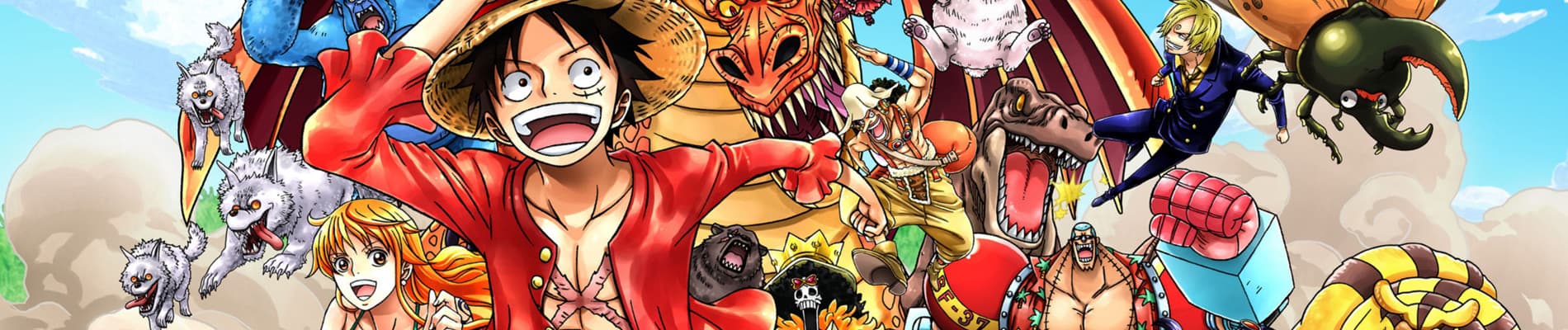
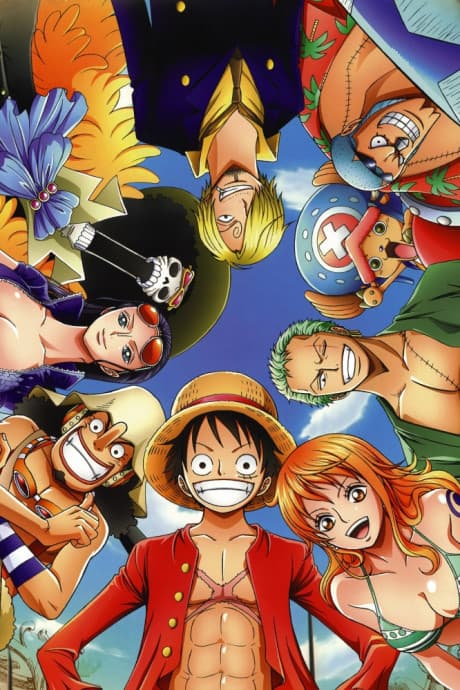
Let's address the elephant in the room: on paper, the Straw Hat crew sounds like a checklist of shonen tropes. Luffy is the determined, simple-minded hero. Roronoa Zoro is the stoic swordsman. Nami is the clever navigator with a tragic past. Yet somehow, through nearly two decades of storytelling, these archetypes have evolved into some of the most fully-realized characters in modern fiction. The secret lies in what community reviewer TeaAndNoMilk calls One Piece's "imperfect perfection"—the show's willingness to let its characters be contradictory, inconsistent, and occasionally downright foolish. Luffy's simplicity isn't a narrative shortcut; it's a philosophical stance. His refusal to engage with political complexity isn't ignorance, but a radical commitment to a personal moral code that values freedom above all else. Zoro's stoicism cracks in moments of genuine vulnerability, like when he begs Mihawk to train him after the crew's devastating defeat at Sabaody. Nami's pragmatism constantly battles with her growing loyalty to her found family. These aren't characters who develop in straight lines; they spiral outward, accumulating layers of complexity with each new island, each new betrayal, each new victory.

The pacing problem that isn't: Why One Piece's glacial storytelling might be its greatest strength
Here's where the community divides, and understandably so. With an episode count that defies quantification (the data says "null," which feels poetically accurate) and a MAL score of 7.09 that places it at a modest #4194 in rankings, One Piece faces legitimate criticism for its pacing. Toei Animation's adaptation choices—particularly the decision to avoid filler arcs in favor of stretching manga chapters across multiple episodes—has created a viewing experience that can feel, at times, like watching paint dry on a ship's hull. But what if this isn't a bug, but a feature? What if One Piece's deliberate, sometimes maddeningly slow pace is precisely what allows its emotional beats to land with such devastating force? When a character's backstory unfolds over multiple episodes rather than in a single flashback montage, we don't just learn about their trauma; we live in it. When a battle stretches across weeks of real-world time, the stakes feel monumental rather than momentary. This approach creates what film critic David Bordwell might call "parametric narration," where the pacing itself becomes part of the text's meaning. The show's slowness mirrors the vastness of the ocean it depicts—both are spaces where time operates differently, where journeys matter more than destinations.
From "We Are!" to "Memories": How One Piece's music charts its emotional journey
The opening notes of Hiroshi Kitadani's "We Are!" have become more than just an anime theme song; they're a cultural touchstone, a promise of adventure that has remained remarkably consistent even as the show has evolved through multiple opening sequences. What's fascinating about One Piece's musical landscape is how it mirrors the show's thematic development. Early openings are pure, unadulterated adventure—all soaring melodies and promises of friendship. As the series progresses, the music grows more complex, incorporating orchestral elements, darker tones, and lyrical themes that reflect the crew's accumulating trauma and hard-won maturity. Maki Otsuki's ending theme "Memories" serves as the perfect counterpoint to this evolution, a gentle, melanchodic reflection on everything that's been lost and gained along the journey. This musical journey from exuberance to bittersweet reflection creates an emotional throughline that connects arcs separated by hundreds of episodes, reminding us that for all the spectacle and world-building, One Piece is ultimately a story about what we carry with us.

The shonen revolution that wasn't: How One Piece quietly subverted the genre it came to dominate
When One Piece began serialization in 1997, the shonen landscape was dominated by series that followed a relatively straightforward formula: young hero trains, fights increasingly powerful enemies, achieves new transformations, repeat. One Piece appeared to follow this template—Luffy even has a transformation mechanic in his Gear techniques—but Oda's approach has always been subtly subversive. Power in One Piece isn't primarily about who can punch hardest; it's about imagination, creativity, and the willingness to break rules. Luffy's rubber body isn't just a cool power; it's a narrative statement that the most effective solutions often come from thinking completely outside conventional frameworks. The show's treatment of its female characters, while imperfect, has consistently been more progressive than most of its shonen contemporaries—Nami and Robin aren't just love interests or cheerleaders, but active participants whose intelligence and skills are often more crucial to the crew's survival than brute strength. Even the show's treatment of villains is more nuanced than typical shonen fare; characters like Crocodile, Doflamingo, and Katakuri aren't just evil for evil's sake, but products of the world's systemic failures, making their defeats feel like political statements as much as narrative conclusions.
The final log entry: Why we're still sailing after all these years
As I write this, One Piece continues its voyage with no end in sight—a fact that would be terrifying if it weren't so exhilarating. In an entertainment landscape dominated by limited series, cinematic universes with expiration dates, and reboots that can't wait to tell us how they've improved on the original, One Piece stands as a monument to long-form storytelling's unique power. Its 8.8/10 score and modest MAL ranking (#4194 with 7.09/10) tell an interesting story: this isn't a show that wins on technical perfection or critical consensus. It wins on sheer, stubborn emotional resonance. It wins because after 1000+ episodes, we still care about whether Luffy will become Pirate King. We still cry when a character's backstory unfolds. We still pump our fists when Zoro declares that nothing happened after taking Luffy's pain. One Piece isn't just an anime; it's a shared cultural memory, a story so vast that it has room for all of us. And as long as there are seas to sail and adventures to be had, we'll keep watching, because some journeys are too good to end.
Final Score: 9/10 – Not just essential viewing, but essential living. One Piece isn't something you watch; it's something you experience, complete with all the messy, beautiful imperfections that make any great adventure worth remembering.