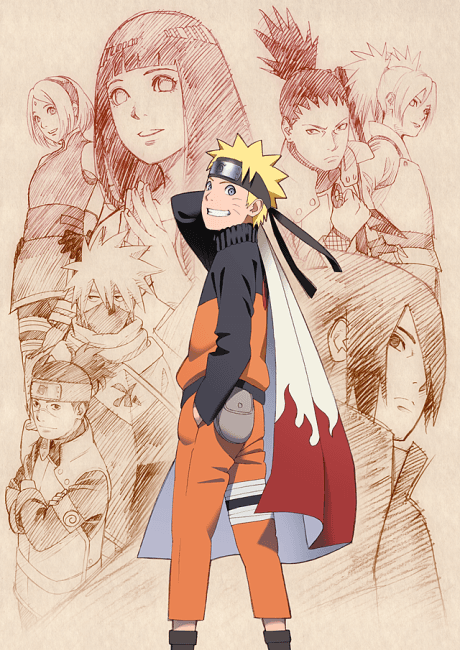
Naruto: Shippuden weaponizes nostalgia to become the ultimate shonen comfort food
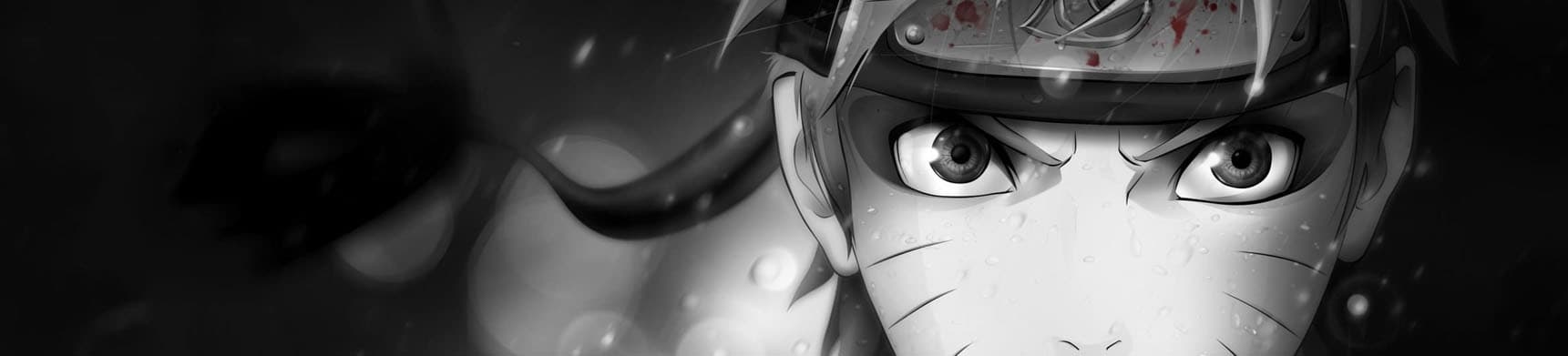
There's a moment in Naruto: Shippuden's 500-episode odyssey that perfectly encapsulates its entire ethos—Naruto Uzumaki, now a teenager with slightly better haircut judgment, returns to his village after two and a half years of training, only to immediately get into a fight with his old rival Sasuke. The cycle continues, the emotional stakes feel familiar, and yet something has shifted. This isn't just more of the same; it's the same thing, but bigger, louder, and with more emotional baggage than a ninja scroll could possibly contain. Shippuden represents something fascinating in pop culture: a sequel that doesn't just continue a story but weaponizes our affection for its predecessor, creating a 500-episode monument to shonen tropes that somehow manages to feel both comfortingly predictable and occasionally transcendent.
The art of the long game in a world of instant gratification
At 500 episodes, Naruto: Shippuden isn't just a television show—it's a lifestyle choice, a commitment that spans years of real-world time. Directed primarily by Hayato Date with contributions from Osamu Kobayashi and Chiaki Kon, the series operates on a temporal scale that feels almost alien in today's binge-and-dismiss streaming landscape. Where modern anime often feels engineered for maximum impact in 12-episode seasons, Shippuden unfolds with the leisurely pace of a Victorian novel, complete with digressions, flashbacks within flashbacks, and entire arcs that could be their own standalone series. This isn't a bug; it's the entire point. The show's relationship with time mirrors its protagonist's journey—both are about the slow, painful accumulation of power and wisdom. When Naruto finally masters the Rasenshuriken after what feels like a geological epoch of training, the payoff isn't just about the technique itself but about the sheer weight of narrative time we've invested alongside him. In an era where attention spans are measured in TikTok seconds, Shippuden's glacial pacing feels like a radical act of narrative confidence—or perhaps narrative stubbornness, depending on which filler arc you're currently enduring.

The Akatsuki problem: When your villains are more interesting than your heroes
Let's address the pink elephant in the room: Naruto Uzumaki, for all his talk about becoming Hokage and believing in friendship, can be kind of exhausting. His relentless optimism, while initially charming, starts to feel like emotional spam after a few hundred episodes. This is where Shippuden's secret weapon emerges: the Akatsuki. This rogue's gallery of super-powered ninjas isn't just a collection of antagonists; they're a masterclass in how to make villains compelling. From the tragic backstory of Itachi Uchiha (which retroactively recontextualizes the entire first series) to the philosophical nihilism of Pain, these characters operate on a level of moral complexity that Naruto himself rarely achieves. As community reviewer MedoDSenju noted, the villains are often the show's greatest strength, and they're right—the Akatsuki aren't just obstacles to overcome; they're dark mirrors reflecting the show's central themes about trauma, power, and the cycle of violence. When Pain delivers his monologue about the endless cycle of hatred, it's more compelling than anything Naruto says in response, precisely because it acknowledges the messy, complicated reality that Naruto's simplistic worldview tries to paper over. The show's best moments often occur when it lets its villains speak, creating a tension between Naruto's idealism and the grim reality they represent.
The Sasuke retrieval arc that never ends: Narrative obsession as theme
If there's one criticism that even the most devoted Naruto fans will acknowledge, it's the show's obsessive focus on Sasuke Uchiha. The entire premise of Shippuden—Naruto's quest to save his friend from Orochimaru—becomes a narrative black hole that sucks in entire seasons of content. But what if this isn't a flaw but the point? Shippuden's fixation on Sasuke mirrors Naruto's own unhealthy obsession, creating a fascinating meta-commentary on the nature of shonen rivalries. In series like Hunter x Hunter (which fans also liked according to the data), rivalries evolve and change; Gon and Killua's relationship grows in complex ways. But Naruto and Sasuke remain locked in a dynamic that feels frozen in amber, repeating the same emotional beats with increasingly apocalyptic stakes. This isn't character development so much as character magnification—every insecurity, every trauma, every declaration of friendship blown up to continent-shattering proportions. When the two finally have their climactic battle at the Valley of the End (again), it feels less like a resolution and more like the natural endpoint of a narrative that has been circling this moment for hundreds of episodes. The show becomes about the impossibility of letting go, both for its characters and for its own storytelling.
Studio Pierrot's feast-or-famine animation philosophy
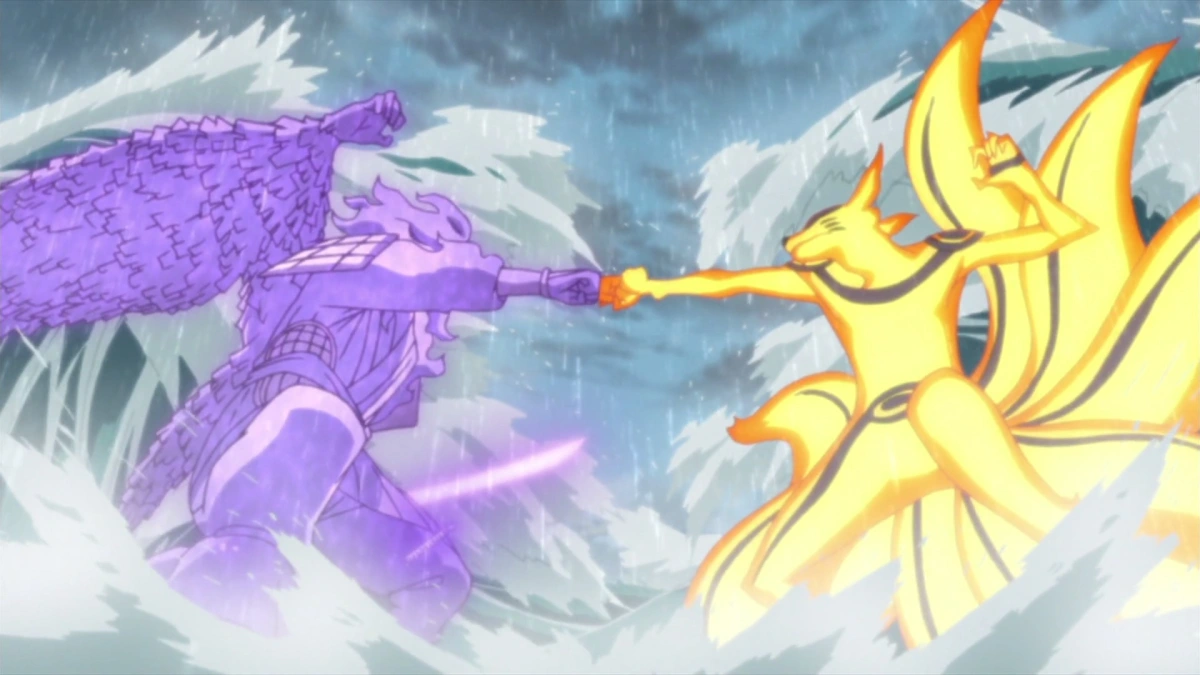
Let's talk about the elephant in the room that's wearing orange and has whiskers: the animation quality. Studio Pierrot's approach to Shippuden can best be described as "strategic excellence." For most of its run, the show operates at a baseline of functional but unremarkable animation—characters move, fights happen, nobody's eyes are where they shouldn't be. But then, like a ninja saving their chakra for the perfect moment, the studio unleashes episodes of breathtaking visual splendor. The Pain invasion arc, the final battles against Madara and Kaguya, Sasuke's Susanoo clashing with Naruto's Kurama form—these moments don't just look good for a long-running shonen; they look good period. The contrast creates a strange rhythm where you'll sit through twenty episodes of serviceable but forgettable animation, only to be blindsided by a sequence that belongs in an animated feature film. This feast-or-famine approach speaks to the economic realities of producing 500 episodes while also creating a unique viewing experience. You're not just watching a show; you're mining for visual gold, enduring the filler to reach those moments of pure, unadulterated sakuga. When that Susanoo vs. Kurama battle finally arrives, it feels earned not just narratively but visually—a reward for your patience.
The filler paradox: When too much content becomes the content
No discussion of Naruto: Shippuden is complete without addressing the filler—those 200+ episodes that exist outside the manga's canon. The community is famously divided on this point, with some viewers advocating for filler-skipping guides while others, like reviewer AnjuRatty, suggest that the experience is about embracing the flaws. But what if the filler isn't a flaw but an essential part of Shippuden's identity? In a series about the importance of bonds and community, the filler episodes—where characters go on mundane missions, celebrate festivals, or just hang out—create the breathing room that makes the epic moments land. That GIF of Naruto enjoying a meal with his friends isn't just a cute moment; it's the emotional foundation that makes us care when those bonds are threatened. The filler creates a sense of lived-in reality that pure plot advancement can't achieve. Yes, some filler arcs are better than others (the Three-Tails arc has its defenders, while the Mecha-Naruto episode is... a choice), but collectively they build a world that feels inhabited rather than just visited. In an age where streaming services prioritize lean, plot-forward storytelling, Shippuden's willingness to meander feels almost radical.
The legacy problem: When your sequel becomes the thing everything else is compared to
Looking at the "Fans Also Liked" data—Bleach, Black Clover, Hunter x Hunter, One Piece—reveals something interesting: Shippuden exists at the center of a particular shonen constellation. It's not the most innovative (that's Hunter x Hunter), nor the most consistent (One Piece has maintained quality for even longer), nor the most stylish (Bleach's aesthetic is unmatched). What it represents is a kind of shonen median—the standard against which other series in the genre are measured. When Black Clover's Asta shouts about becoming Wizard King, we hear echoes of Naruto's Hokage dreams. When My Hero Academia explores the burden of inherited power, we remember the Nine-Tails chakra. Shippuden didn't invent these tropes, but it perfected them to the point where they became the default setting for an entire generation of shonen storytelling. This creates a strange viewing experience in 2024: watching Shippuden feels simultaneously fresh and deeply familiar, because you're watching the source code for so much that came after. The series exists in conversation with its successors, creating a feedback loop where its influence becomes part of its texture.
The final verdict: Comfort food with occasional moments of genius
Naruto: Shippuden is a contradiction—a 500-episode behemoth that's both bloated and precisely the right length, a series that repeats its themes ad nauseam while occasionally achieving genuine emotional profundity, a product that feels factory-made in its adherence to shonen formulas while containing moments of startling creativity. Its 8.29/10 MAL score feels about right: this isn't a flawless masterpiece, but it's something perhaps more valuable—a cultural touchstone that millions have shared. The show understands something fundamental about long-form storytelling: sometimes, it's not about the destination but about the comfort of the journey itself. When Naruto finally achieves his dream and becomes Hokage in the sequel series Boruto, the payoff isn't just about that moment; it's about the hundreds of hours we spent with him, through filler arcs and flashbacks, through poorly animated episodes and visual triumphs, through his annoying catchphrases and his genuinely moving moments of growth. Shippuden is the narrative equivalent of that meal Naruto shares with his friends—sometimes messy, occasionally excessive, but filled with enough warmth and genuine affection to make the imperfections part of the charm. Final Score: 8/10 – Flawed, familiar, and somehow exactly what you need it to be.