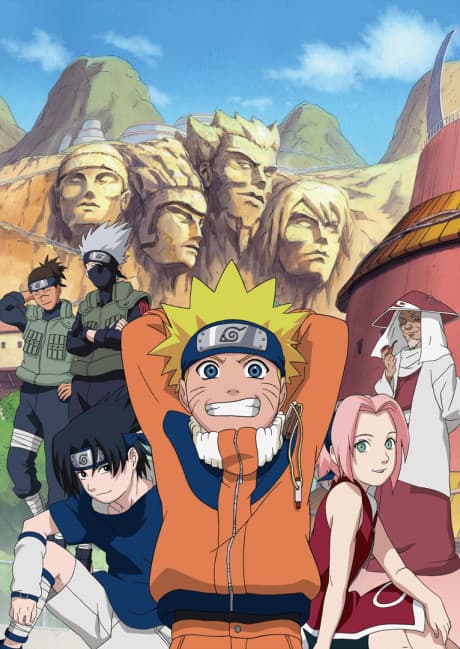
Naruto's endless ninja war is a messy, heartfelt ode to the power of friendship
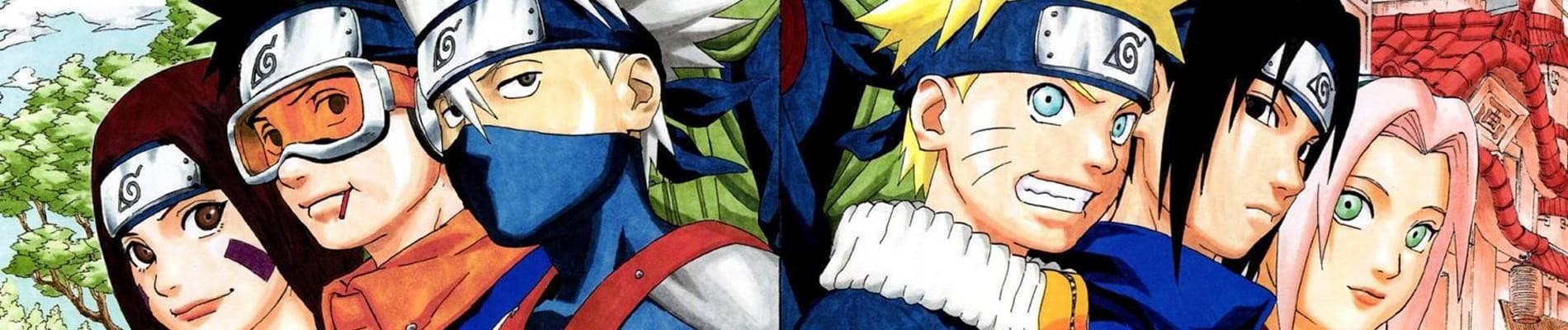
In the early 2000s, as anime was clawing its way into Western mainstream consciousness, Naruto arrived like a hyperactive kid crashing a solemn tea ceremony. With its orange jumpsuits, hand-sign jutsu, and a protagonist who screamed his dreams into the void, it felt both refreshingly earnest and painfully derivative. But to dismiss it as just another shonen romp is to miss the forest for the trees—or in this case, the Hidden Leaf Village for its sprawling cast of emotionally damaged ninjas. Naruto isn't just about becoming the Hokage; it's a 220-episode therapy session masquerading as a battle anime, where every villain has a tragic backstory and every hero is just one good talk-no-jutsu away from redemption.
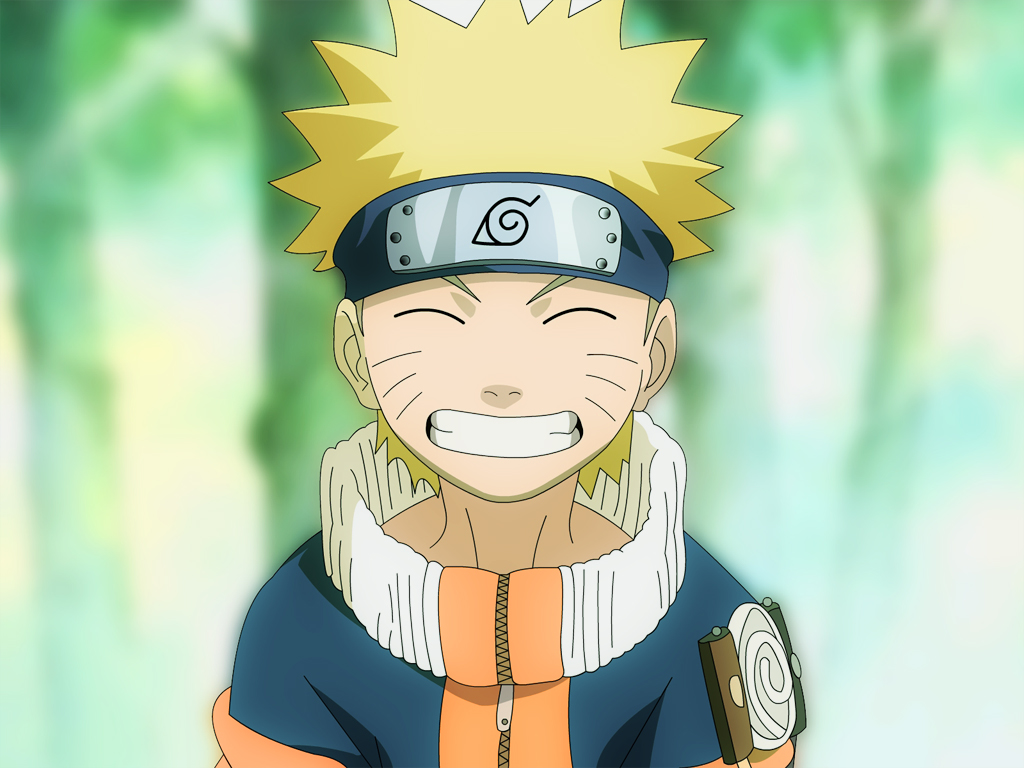
When everyone's a trauma survivor, no one is
Naruto's greatest strength—and its most glaring weakness—is its relentless commitment to emotional exposition. In a world where ninjas can summon giant toads and clone themselves into armies, the real superpower is the ability to monologue about your tragic past. Take Sasuke Uchiha, the brooding rival whose entire personality is built on a foundation of familial genocide. He's like if Hamlet decided to become a ninja instead of a prince, complete with a body count that rivals his angst. The show often gets criticized for this, as user Xelrog notes, pointing out that "cool fights and cool music" sometimes overshadow "quality writing." And they're not wrong: Naruto's pacing can feel glacial, with flashbacks within flashbacks that make Inception look straightforward. But there's something oddly compelling about a series that treats every character, from the main hero to the random filler villain, as if they're the protagonist of their own Greek tragedy. It's like Studio Pierrot decided that what shonen really needed was a heavy dose of Freudian analysis.
The art of fighting without fighting (but mostly with fighting)
Visually, Naruto is a mixed bag that reflects its era. The animation, handled by Studio Pierrot, ranges from stunningly fluid fight sequences—think Rock Lee vs. Gaara, a ballet of brutality that still holds up—to episodes where characters are reduced to static talking heads against recycled backgrounds. It's the anime equivalent of a band that saves all its energy for the live shows, with the studio clearly prioritizing key battles over day-to-day consistency. This inconsistency has divided fans, as seen in community reviews where scores swing from 100/100 praises to 50/100 dismissals. User GleamMaikeru captures this dichotomy perfectly, calling it "not a masterpiece, but far from trash." The show's visual identity is rooted in early-2000s aesthetics: bold colors, exaggerated expressions, and a willingness to shift into chibi comedy at the drop of a kunai. It's not the polished spectacle of modern hits like Demon Slayer, but it has a raw, energetic charm that feels authentic to its scrappy origins.

Why Naruto's optimism feels radical in a cynical world
At its core, Naruto is a story about persistence in the face of systemic rejection. Naruto Uzumaki starts as the village pariah, a literal demon container shunned by the very people he swears to protect. His journey from outcast to hero isn't just a power fantasy; it's a relentless argument for empathy over isolation. In an era where anti-heroes dominate pop culture—from Tony Soprano to Walter White—Naruto's unwavering belief in friendship and forgiveness feels almost subversive. The show's infamous "talk-no-jutsu," where Naruto defeats enemies by understanding their pain, has been mocked as a narrative cop-out. But reframe it as a critique of shonen's tendency to solve everything with a bigger explosion, and it becomes a quietly radical act. As user BlueBlur argues, it's "the greatest of the Big 3," not for its flawless execution, but for its emotional ambition. Where One Piece offers world-building grandeur and Bleach serves style over substance, Naruto digs into the messy psychology of its characters with a sincerity that's either endearing or exhausting, depending on your tolerance for teenage melodrama.
The filler episodes: a necessary evil or creative bankruptcy?
No discussion of Naruto is complete without addressing the elephant in the room: the filler. With 220 episodes, nearly half are non-canon arcs designed to stall for the manga's progress. These range from forgettable side quests to bizarre detours like a curry-making competition or a time-travel plot that feels like a fanfiction fever dream. Community reviews often cite this as a major flaw, with user JustARandomUser noting it's "really good, but not perfect" due to pacing issues. Yet, in a strange way, the filler embodies Naruto's spirit of excess. It's the show at its most unhinged, free from plot constraints and willing to experiment—even if those experiments often crash and burn. For completionists, it's a slog; for casual viewers, it's a skip button away from being irrelevant. But it also highlights the era's broadcast model, where weekly anime was a marathon, not a sprint, and patience was part of the package.
Final verdict: a flawed monument to shonen's heart
Naruto is a cultural touchstone that refuses to be neat. It's overlong, inconsistent, and occasionally repetitive, but it's also fiercely earnest in its exploration of themes like belonging, legacy, and the cycle of hatred. Its influence is undeniable, paving the way for a generation of anime that isn't afraid to mix big emotions with even bigger battles. The community's divided scores—from 50 to 100—reflect this complexity: it's a show that inspires passionate defense and equally passionate critique. In the end, Naruto succeeds not because it's perfect, but because it believes, against all odds, in the power of connection. As user spolybioh puts it, it's "iconic and definitely worth the watch," even if its sequel, Shippuden, polishes the formula. Final Score: 8/10 – A messy, heartfelt epic that defined an era, warts and all.