My Hero Academia's final season delivers a surprisingly quiet apocalypse
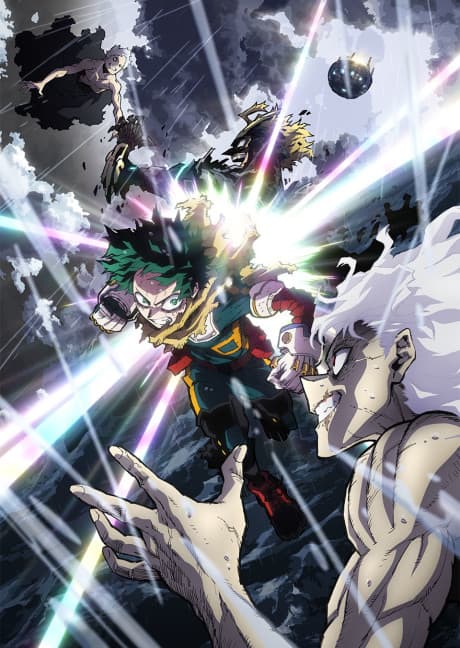
There's a moment in the final season of My Hero Academia that feels almost heretical for a shonen anime that's spent nearly a decade building toward its climactic battle. As Deku and Shigaraki face off in what should be the series' ultimate confrontation, the sound design by Masafumi Mima doesn't give us the expected cacophony of explosions and power clashes. Instead, there's a strange, almost meditative quiet—the kind of silence that feels heavier than any sound effect could. It's in this moment that directors Kenji Nagasaki and Naomi Nakayama reveal their true ambition for this finale: not to deliver the loudest ending possible, but the most thoughtful one. In an era where anime finales often feel obligated to escalate into cosmic-scale absurdity (looking at you, Naruto and Bleach), My Hero Academia's final season dares to ask what happens when the shouting stops and the real work of heroism begins.
The quiet revolution of Studio Bones' restrained spectacle
Studio Bones has always been the perfect home for My Hero Academia, a studio with a reputation for balancing fluid, dynamic action with emotional sincerity. But what's fascinating about this final season is how it represents a maturation of that relationship. Where earlier seasons might have leaned into the studio's capacity for bombastic spectacle (remember the Overhaul arc's visual fireworks?), this final stretch feels deliberately restrained. The 11-episode count itself is telling—this isn't a bloated victory lap but a focused, economical conclusion. The animation during Deku's final confrontation with Shigaraki is technically impressive, yes, but it's the quieter moments that truly resonate: All Might's quirkless struggle in his powered armor suit, the subtle facial expressions as characters realize the cost of their victory. This isn't Bones flexing its muscles so much as demonstrating its emotional intelligence. The studio understands that after 7 seasons of buildup, what we need isn't more spectacle but meaningful resolution. It's a gamble that pays off spectacularly, creating a finale that feels earned rather than merely impressive.

Deku's journey from fanboy to philosopher-king
Izuku Midoriya's character arc has always been the series' beating heart, but his evolution in this final season represents something more profound than simply mastering One For All. When we first met Deku, he was the ultimate fanboy—someone who worshipped heroes from the outside looking in. His journey has been about internalizing that admiration and transforming it into genuine heroism. But in this final season, we see him complete a different transformation: from hero to something approaching a philosopher of heroism. His confrontation with Shigaraki isn't just about overpowering his enemy but about understanding him. The series has often been criticized for its relatively simplistic moral binary (heroes good, villains bad), but this finale complicates that in fascinating ways. Deku's realization that saving Shigaraki might be more important than defeating him represents a maturation of the series' entire ethical framework. It's a far cry from the simple power fantasy of early seasons, and it's exactly what makes this finale feel like more than just another shonen conclusion. It's a statement about what heroism means in a world where the lines between good and evil have been irrevocably blurred.
The community's divided soul: Why some fans feel betrayed by the quiet ending
If you spend any time on MyAnimeList or Reddit discussing this final season, you'll notice a fascinating schism in the fanbase. Reviewers like "TheAnimeBingeWatcher" who call this "peak" anime represent one camp—those who appreciate the emotional and thematic maturity of this restrained approach. But there's another, equally vocal group that feels somewhat betrayed by the finale's quiet tone. After years of buildup, they wanted the explosive, universe-shaking climax that has become standard for shonen finales. They wanted Deku to achieve some new, previously unimaginable level of power. Instead, they got something more intimate and philosophical. This division speaks to the fundamental tension at the heart of modern shonen fandom: the conflict between spectacle and substance. My Hero Academia has always tried to have it both ways, but this final season makes its priorities clear. It chooses character over power scaling, emotional resolution over visual fireworks. For some fans, this feels like a betrayal of the series' shonen DNA. For others, it's exactly what elevates the series above its peers. This tension isn't a flaw in the finale—it's evidence that the series has grown up enough to make difficult creative choices that won't please everyone.
All Might's final lesson: The hero who outlives his power
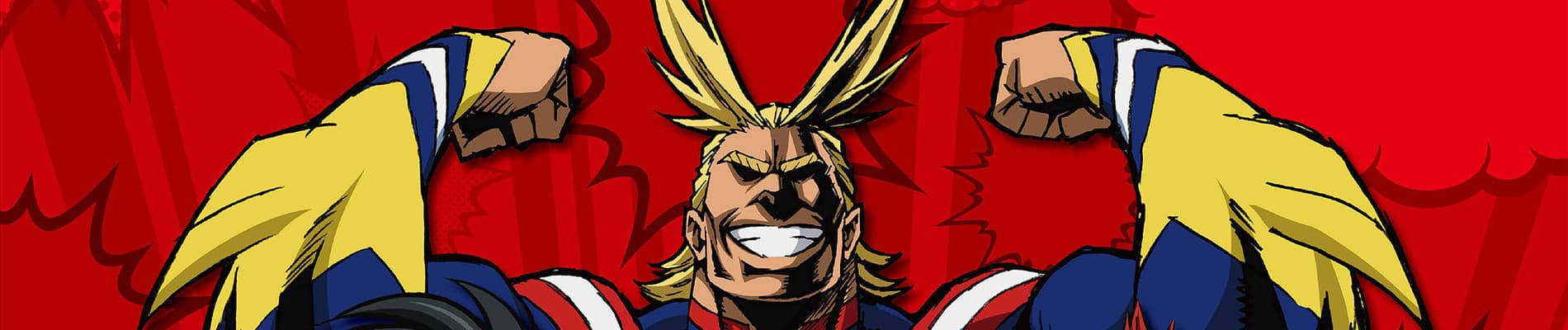
Perhaps the most poignant thread in this final season belongs not to Deku but to All Might. The series has always been fascinated with the relationship between power and identity—what happens when the thing that defines you is taken away? All Might's journey from the Symbol of Peace to a quirkless man in a mechanical suit represents the series' most mature exploration of this theme. His final confrontation with a "young and refreshed" All For One is beautifully symbolic: the past versus the future, natural power versus technological augmentation, legacy versus innovation. But what makes this storyline truly special is how it reframes the entire series' understanding of heroism. All Might proves that being a hero isn't about having the most power—it's about having the most heart. His struggle in that powered armor suit, fighting a villain who represents everything he once stood against, is one of the most emotionally resonant sequences in the entire series. It's a reminder that My Hero Academia was never really about superpowers—it was about the human beings who wield them.

The music of endings: How Porno Graffiti and BUMP OF CHICKEN score the apocalypse
Music has always been integral to My Hero Academia's emotional impact, and the final season's opening and ending themes feel particularly significant. Porno Graffiti's "THE REVO" as the opening theme is appropriately anthemic—a final rallying cry before the end. But it's BUMP OF CHICKEN's ending theme "I" that truly captures the season's emotional core. There's a melancholy to it, a sense of looking back while moving forward. The music choices reflect the season's dual nature: it's both a celebration of everything that came before and an acknowledgment that all things must end. Sound director Masafumi Mima's work throughout the season deserves special mention for how it uses silence as effectively as sound. The quiet moments between battles, the subtle environmental sounds, the way character voices change as they approach their emotional limits—this is sound design that understands that sometimes what you don't hear is more important than what you do.
The final verdict: A quiet triumph in a loud genre
With a MAL score of 8.74/10 and ranking at #48, My Hero Academia's final season has clearly resonated with its audience, but the numbers don't tell the whole story. What makes this finale special isn't its popularity but its courage. In a genre that often equates bigger with better, this season dares to suggest that sometimes the most powerful endings are the quietest ones. It understands that after nearly a decade of storytelling, what we need isn't more spectacle but meaningful closure. The 11-episode structure feels perfectly paced—not rushed, not bloated, but exactly as long as it needs to be to say what it needs to say. Directors Nagasaki and Nakayama have delivered a finale that honors the series' shonen roots while transcending them. It's a finale that understands that the true measure of a hero isn't how loudly they win, but how thoughtfully they consider what victory actually means. In an industry that often struggles with endings, My Hero Academia's final season stands as a quiet masterclass in how to say goodbye.
Final Score: 9/10 – A thoughtful, emotionally resonant conclusion that proves sometimes the quietest endings are the most powerful.