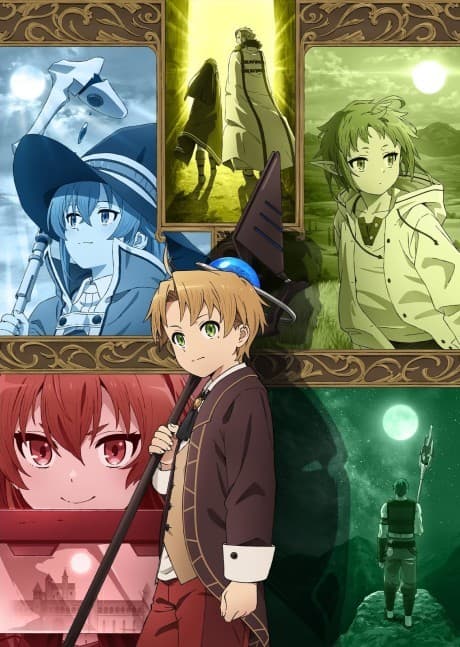
Mushoku Tensei: Jobless Reincarnation weaponizes trauma to build the most uncomfortable power fantasy in anime
There's a moment early in Mushoku Tensei: Jobless Reincarnation where Rudeus Greyrat, our reincarnated protagonist with the mind of a 34-year-old shut-in in a child's body, stares at his infant hands with a mixture of wonder and creeping horror. It's a perfect encapsulation of the show's central tension: the giddy wish-fulfillment of getting a second chance at life, poisoned by the knowledge of who's actually getting that chance. This isn't just another isekai about escaping to a fantasy world—it's about what happens when the person doing the escaping is fundamentally broken, and whether a new world can actually fix them, or just give them more room to be terrible. Director Manabu Okamoto and Studio Bind have crafted something that feels simultaneously like the genre's crowning achievement and its most damning indictment, a show that asks uncomfortable questions about redemption while constantly testing whether we should even want its protagonist to find it.
The Unreliable Narrator in the Room: Rudeus Greyrat and the Ethics of Second Chances
Let's address the elephant in the room first: Rudeus is, by any reasonable measure, a terrible person. Before his reincarnation, he was a 34-year-old NEET who skipped his parents' funeral to masturbate to child pornography. In his new life, he immediately uses his adult mind to manipulate those around him, develops inappropriate relationships with children (while being mentally an adult himself), and generally behaves like the worst kind of power fantasy protagonist. Yet the show's genius—and its most controversial aspect—lies in how it refuses to let us off the hook with simple condemnation. As community reviewer Inferno792 noted in their 69/100 review, the show's "comedic depiction of serious issues takes away from what is an otherwise solid anime," but I'd argue that tension is precisely the point. Mushoku Tensei forces us to sit with the discomfort of rooting for someone we know we shouldn't like, creating a psychological friction that most isekai carefully avoid. When Rudeus saves Roxy from bandits or helps Eris with her studies, we're meant to feel the cognitive dissonance of genuine heroism performed by someone with profoundly compromised morals. It's the fantasy of redemption without the hard work of actually becoming redeemable, and the show knows it.

Studio Bind's Visual Alchemy: How Gorgeous Animation Makes Moral Ambiguity Palatable
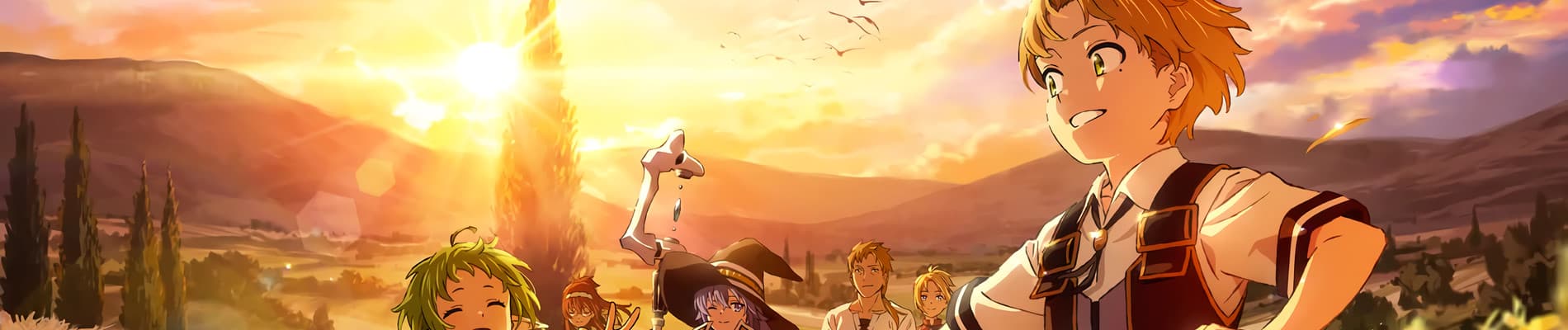
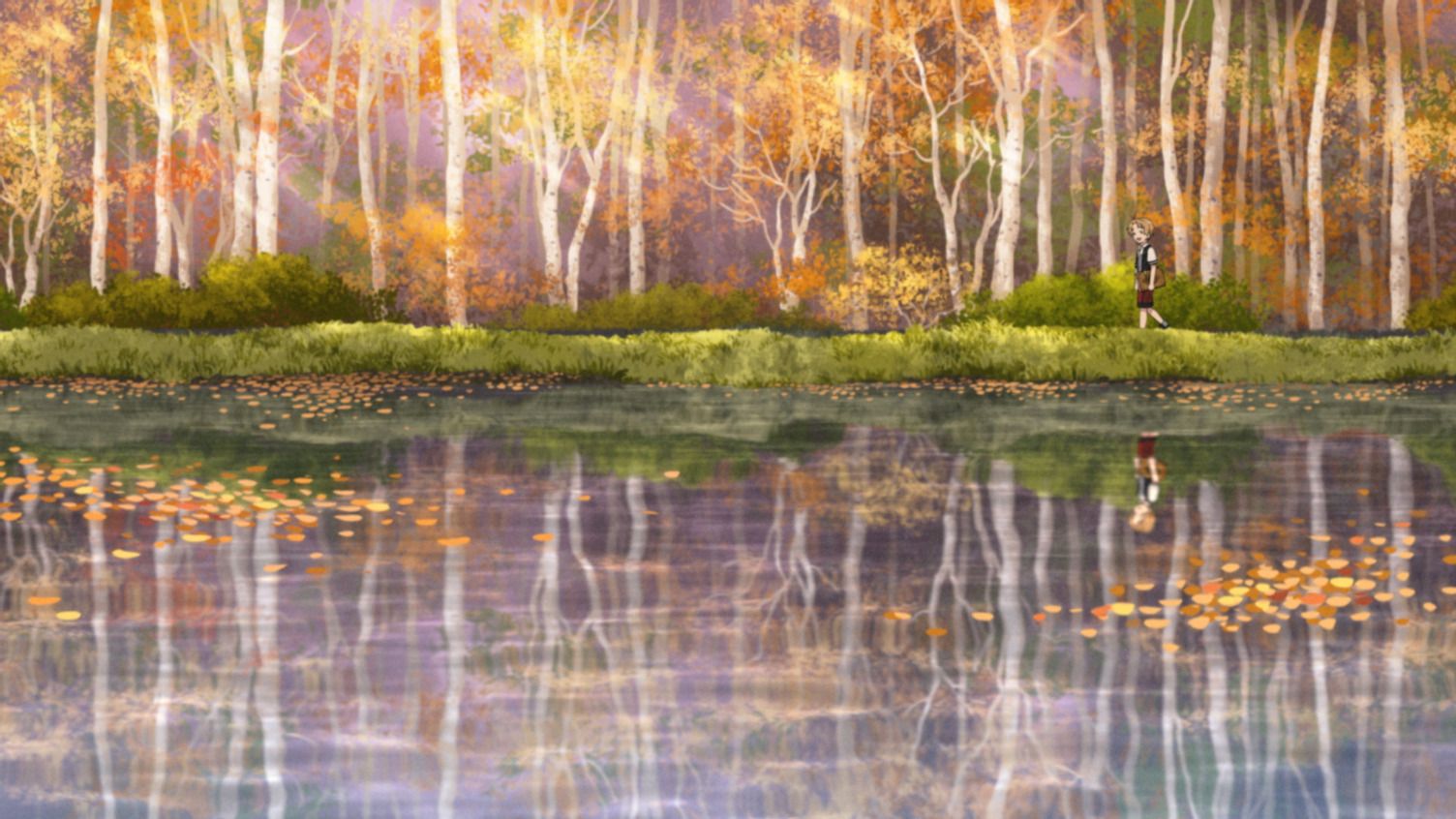
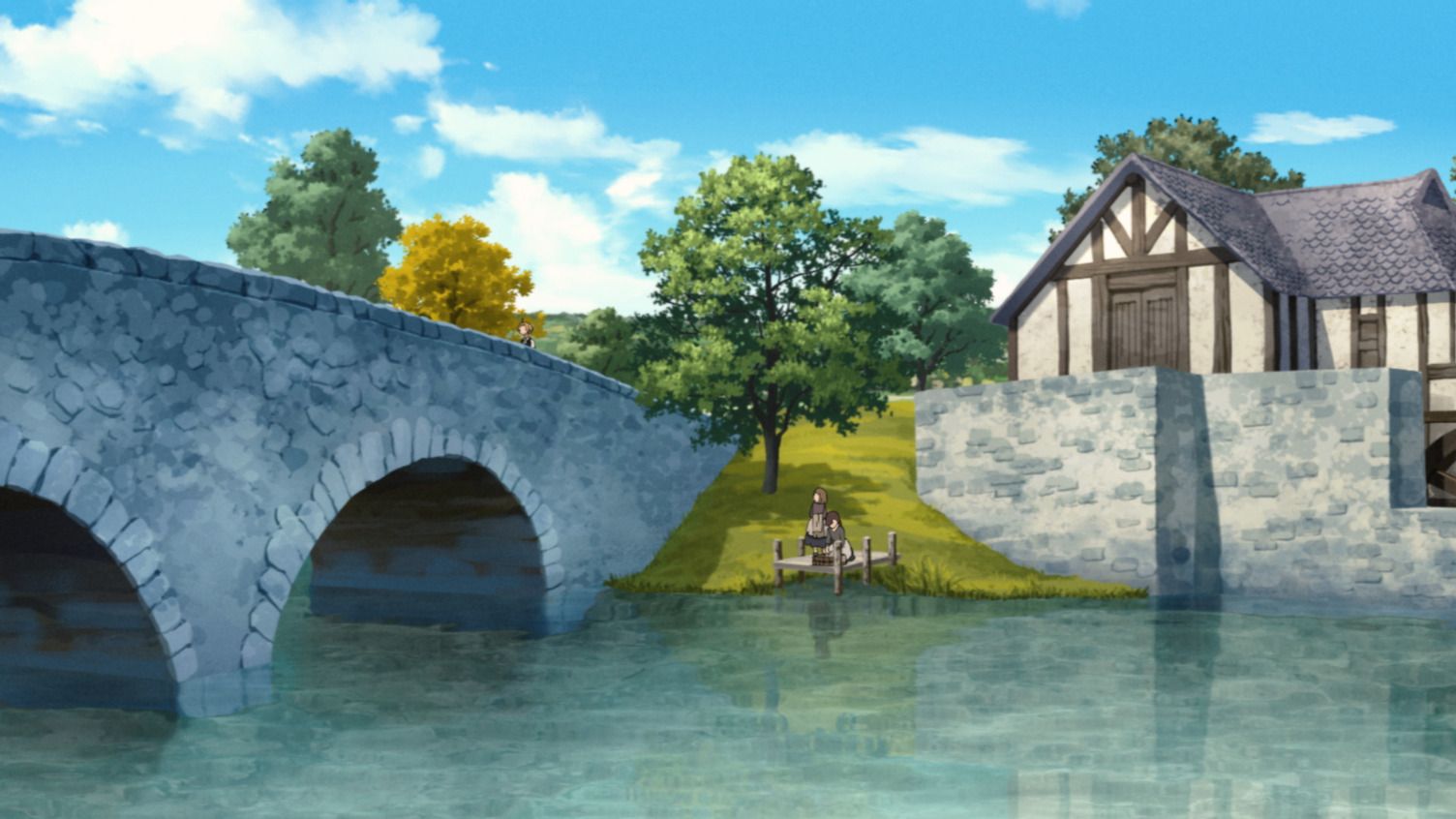
If Mushoku Tensei were merely its protagonist's questionable actions, it would be unwatchable. What makes it compelling—and what explains its 8.33/10 MAL score and #282 ranking—is Studio Bind's astonishing visual craftsmanship. This is a world that feels lived-in and tactile, from the way light filters through autumn leaves to the subtle textures of clothing and architecture. The magic system isn't just functional spectacle; it has weight and consequence, with Rudeus's water ball spell looking less like a video game attack and more like a contained natural disaster. Compare this to other popular isekai like Tensei shitara Slime Datta Ken, where power progression often feels like checking boxes on a skill tree. Here, every spell feels earned, every landscape feels discovered rather than generated. The animation serves as both world-building and emotional manipulation—when Roxy teaches Rudeus magic, the warmth of the scene is so visually inviting that we almost forget the uncomfortable age dynamic at play. It's a masterclass in using aesthetic beauty to complicate moral simplicity, making us question whether our enjoyment of the show's visuals is complicit in its more problematic elements.
The Women of Mushoku Tensei: Agency, Archetypes, and the Male Gaze
No discussion of Mushoku Tensei is complete without examining its female characters, who exist in a fascinating tension between genuine depth and male fantasy fulfillment. Roxy Migurdia, the stoic magician who becomes Rudeus's first teacher, could easily have been another "cool older woman" archetype. Instead, the show gives her a compelling backstory about being an outcast among her own people due to her lack of inherent magical talent. Eris Boreas, the tsundere noble girl, evolves from a bratty child into someone grappling with the expectations of her station and her own burgeoning feelings. Even Sylphiette, who initially appears as the shy childhood friend trope, demonstrates surprising resilience. Yet these characters are constantly filtered through Rudeus's perspective, and the show's ecchi elements often undermine their agency. The community is deeply divided on this point—while some praise the character development (as seen in Rhum's 100/100 review calling it "a fantastic exploration of the isekai genre"), others rightly criticize how the camera often lingers on underage characters in compromising positions. This isn't incidental; it's central to the show's project of making us uncomfortable with our own viewing pleasure. When Rudeus leers at Eris, we're meant to feel complicit, to question why we're still watching.
The Godfather Complex: How Mushoku Tensei Rewrites Isekai History While Repeating Its Sins
There's a reason Mushoku Tensei is often called the "Godfather of Isekai"—not just because it popularized many tropes in its original light novel form, but because it understands the genre's DNA better than almost any adaptation. The show is deeply meta-textual, constantly commenting on isekai conventions even as it employs them. When Rudeus gains magical abilities, it's not just power fantasy; it's a commentary on how fantasy worlds offer escape from real-world inadequacy. His relationships with Roxy, Eris, and Sylphiette aren't just harem antics; they're examinations of how lonely people seek connection, however flawed. Yet for all its self-awareness, the show can't escape the very tropes it critiques. Like Re:Zero kara Hajimeru Isekai Seikatsu (which 17 community members also liked), it explores trauma and second chances, but where Subaru's suffering feels earned through genuine growth, Rudeus's often feels like narrative convenience. The show wants to have it both ways: to critique power fantasies while indulging in them, to examine problematic behavior while sometimes reveling in it. This tension makes it fascinating cultural artifact—a show that's smarter than its genre while being trapped by its conventions.
The Sound of Escapism: Music as Emotional Manipulation
Yuiko Oohara's opening theme "Tabibito no Uta" and ending theme "Only" deserve special mention for how they subtly reinforce the show's themes. "Tabibito no Uta" (Traveler's Song) begins with melancholic strings before building to an optimistic crescendo, mirroring Rudeus's journey from despair to determined rebirth. The lyrics about leaving the past behind and finding new purpose could be read as either sincere or deeply ironic, given who's singing them. Sound director Jin Aketagawa creates a soundscape that feels both magical and grounded—the crackle of fire magic has weight, the rustle of leaves in the forest feels specific rather than generic. Compare this to the more bombastic scores of shows like Sekai Saikou no Ansatsusha, Isekai Kizoku ni Tensei suru, and you'll notice Mushoku Tensei's more nuanced approach. The music doesn't just tell us how to feel; it complicates our feelings, making Rudeus's moments of genuine connection feel earned even as we question whether they should be happening at all.
The Bottom Line: Essential Viewing That Will Make You Question Why You're Watching
Mushoku Tensei: Jobless Reincarnation is a masterpiece of uncomfortable contradictions. It's visually stunning yet morally murky, emotionally resonant yet frequently problematic, genre-defining yet trapped by its own conventions. With an 8.2/10 score that feels both too high and too low, it demands to be engaged with on its own complicated terms. This isn't a show you simply enjoy; it's a show you wrestle with, a Rorschach test for what you're willing to forgive in pursuit of good storytelling. Director Manabu Okamoto has created something that will be debated for years—not just as an anime, but as a cultural artifact about redemption, trauma, and the limits of escapism. Whether you love it or hate it (and the community is fiercely divided, as the reviews show), you can't ignore it. Final Score: 8/10 – Flawed, fascinating, and impossible to look away from, even when you probably should.