Jujutsu Kaisen devours shonen tropes to become something more interesting
There's a moment early in Jujutsu Kaisen's first season where protagonist Yuji Itadori, having just consumed a cursed finger to save his friends, stands before the powerful sorcerer Satoru Gojo and asks a question that feels like it's been waiting decades to be asked in a shonen anime: "What's the point of being strong if you can't save people?" In that moment, director Seong-Hu Park's adaptation of Gege Akutami's manga announces itself as something more than just another supernatural action series—it's a show that understands the genre it's operating in well enough to both honor and interrogate its foundations. Premiering in 2020's crowded anime landscape, Jujutsu Kaisen arrived at a time when shonen was undergoing what some critics called "natural selection," with series like Demon Slayer and My Hero Academia dominating the conversation. Yet rather than simply following trends, Jujutsu Kaisen offered something more complex: a show about curses that feels remarkably human.
The curse of being a shonen protagonist in a post-shonen world
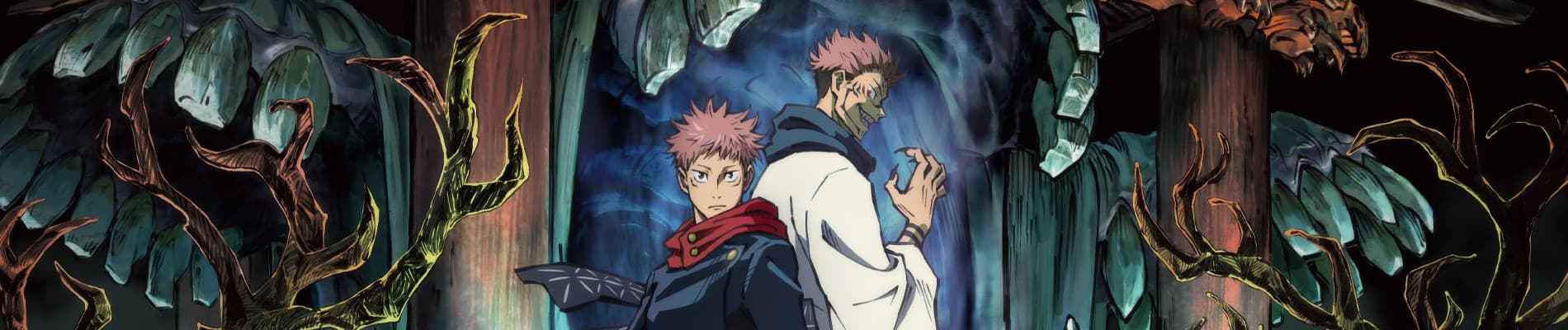
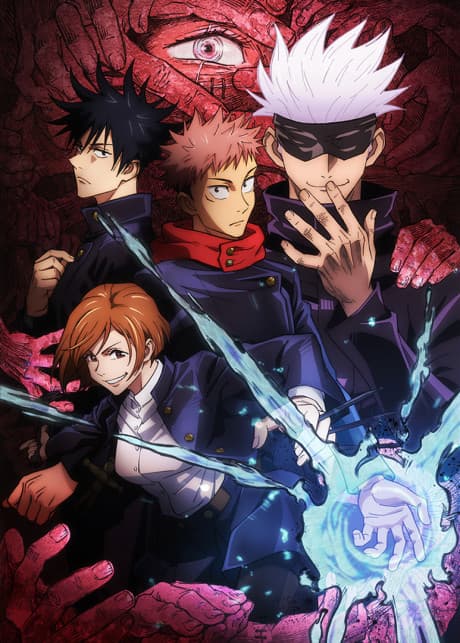
What makes Yuji Itadori such a fascinating protagonist isn't his superhuman strength or his noble intentions—it's his fundamental misunderstanding of the world he's entered. When he declares his desire to ensure everyone has "the right death," he's articulating a philosophy that feels almost quaint in the brutal reality of Jujutsu Kaisen's universe. The show smartly positions Yuji as a traditional shonen hero—optimistic, self-sacrificing, driven by friendship—and then systematically dismantles that archetype through his interactions with the show's more cynical characters. Megumi Fushiguro, with his pragmatic approach to sorcery, serves as a perfect foil, constantly questioning Yuji's idealism without ever fully rejecting it. This tension creates what community reviewer Lenlo described as "an exploration of grief and loss packaged and delivered through hype fights," but I'd argue it's more specific than that: it's about what happens when traditional heroic narratives collide with a world that refuses to reward heroism.
MAPPA's animation doesn't just look good—it feels dangerous
Let's address the elephant in the room: Studio MAPPA's work here is, to use the technical term, absolutely bonkers. But what separates Jujutsu Kaisen from other visually impressive shonen series is how its animation serves its themes. When characters fight, there's a tactile weight to their movements—a sense that every punch, kick, or cursed technique carries actual consequences. This isn't just pretty animation for animation's sake; it's world-building through motion. The cursed energy effects, particularly Gojo's Limitless technique, aren't merely flashy visual flourishes—they're visual representations of the show's philosophical underpinnings. The way Gojo manipulates space itself becomes a metaphor for the series' larger concerns about power, responsibility, and the distance between intention and outcome. Even the much-discussed opening sequence by Eve—"Kaikai Kitan"—uses its frenetic, almost overwhelming visual style to mirror the chaotic nature of cursed energy itself.
Nobara Kugisaki and the problem of being "the girl" in a boys' club
One of Jujutsu Kaisen's smartest moves is its treatment of Nobara Kugisaki, who arrives in the narrative not as a love interest or damsel, but as a fully-formed sorcerer with her own motivations and moral code. When she declares that she's "not here to be a role model for girls" but rather to live life on her own terms, it feels like a direct response to decades of shonen tropes that have treated female characters as accessories to male protagonists' journeys. Nobara's confidence and competence aren't presented as exceptional for a female character—they're simply who she is. This approach has divided some viewers, with community reviewer chezaye noting problems with "digesting some things" about the show's character dynamics, but I'd argue that Nobara represents Jujutsu Kaisen's broader commitment to writing characters who feel like people first and archetypes second. Her friendship with Yuji and Megumi feels earned rather than obligatory, and her combat style—using a hammer and nails infused with cursed energy—is both visually distinctive and thematically appropriate for a character who literally nails her convictions into reality.
Gojo Satoru: The most powerful character in anime is also its most tragic
With over 63,000 favorites on MyAnimeList, Satoru Gojo isn't just popular—he's a phenomenon. But what's fascinating about his character isn't his overwhelming power (though the show does have fun showing off his abilities), but how that power isolates him. Gojo represents the logical endpoint of shonen power escalation: a character so strong that traditional narrative stakes barely apply to him. Yet rather than making him boring or invincible, the show uses his power to explore themes of loneliness and responsibility. His relationship with his former friend Suguru Geto becomes one of the season's most compelling throughlines precisely because it shows us what happens when absolute power doesn't corrupt, but rather creates an unbridgeable gap between people. Gojo's signature blindfold isn't just a cool visual—it's a literal and metaphorical barrier between him and the world he's sworn to protect. In a genre filled with mentors who exist primarily to train the protagonist, Gojo feels like a character with his own rich interior life and tragic history.
The curse of expectation: How Jujutsu Kaisen handles its shonen DNA
Reading through community reviews reveals an interesting tension: some viewers, like ShadowStar219, call it "the most average shounen out there," while others praise its innovations. I'd argue both perspectives contain truth, but miss the larger picture. Jujutsu Kaisen isn't trying to reinvent the shonen wheel so much as examine why that wheel keeps turning. Its school setting, tournament arcs, and power system all feel familiar, but they're deployed with a self-awareness that elevates them. When characters discuss cursed techniques and domains, there's an almost academic rigor to the explanations that makes the world feel coherent rather than arbitrary. The show's R-17+ rating isn't just for violence—it's for the psychological weight of its themes. This is a series that understands that true horror isn't just about monsters, but about the human capacity for creating them through "hardship, regret, shame" as the synopsis notes.
The soundtrack as emotional exorcism
Akiko Fujita's sound direction deserves special mention for how it balances the series' tonal shifts. The opening theme's frantic energy gives way to an ending sequence—"LOST IN PARADISE" by ALI ft. AKLO—that feels like a collective exhale after episodes filled with tension. But more importantly, the score understands when to be subtle and when to overwhelm. During fight sequences, the music doesn't just accompany the action—it enhances the emotional stakes. The use of silence in certain moments, particularly during Gojo's more devastating displays of power, creates a tension that loud music never could. It's a reminder that in a show about curses, sometimes the most powerful thing isn't what you hear, but what you don't.
The Bottom Line: A curse worth catching
Final Score: 8.5/10 – Jujutsu Kaisen's first season succeeds not by rejecting shonen conventions, but by engaging with them thoughtfully. It asks what heroism means in a world where good intentions can literally create monsters, and it answers with complex characters, stunning animation, and a willingness to sit with uncomfortable questions. The show's 2022 Anime of the Year win at the Tokyo Anime Award Festival feels earned not because it's perfect—the pacing occasionally stumbles, and some supporting characters could use more development—but because it represents shonen anime evolving in real time. As the franchise expands with its prequel film and second season, this initial 24-episode run stands as a compelling argument for why the genre still matters: not because it gives us simple answers, but because it's brave enough to ask difficult questions. In a media landscape filled with curses, Jujutsu Kaisen feels like a blessed exception.