Gachiakuta weaponizes trash to expose the rot at the heart of shonen storytelling
There's a moment early in Gachiakuta that feels like a perfect metaphor for the entire shonen genre: our protagonist Rudo, having been thrown from his floating utopia into a literal garbage heap, picks up a discarded weapon and decides to fight his way back up. It's the classic underdog story—except here, the underdog is literally covered in refuse, and the system he's fighting against is one that treats people as disposable as yesterday's trash. In an era where anime has become increasingly polished and algorithmically pleasing, Gachiakuta arrives like a piece of jagged metal sticking out of a landfill—ugly, dangerous, and impossible to ignore. Directed by Fumihiko Suganuma for studio bones, this 24-episode series doesn't just tell a story about garbage; it weaponizes the very concept of waste to critique the disposable nature of modern storytelling itself.
When your protagonist is literally trash: Rudo's journey from victim to weapon
Rudo isn't your typical shonen hero. He doesn't have a tragic backstory that makes him special—he has a tragic present that makes him disposable. Falsely accused of murder and thrown off the edge of his floating city, his transformation from victim to warrior happens not through training montages or hidden powers, but through sheer, desperate survival. The show's central conceit—that discarded objects in the wasteland below can be wielded as weapons—becomes a brilliant metaphor for turning society's rejects into tools of rebellion. Rudo doesn't find a legendary sword or inherit ancient powers; he picks up literal garbage and makes it lethal. This inversion of shonen power fantasies feels particularly pointed in 2024, when so many protagonists are born special or chosen by destiny. As community reviewer Himeno1 noted in their Spanish-language analysis, this is "una historia cruda sobre marginación, rabia y poder nacido de aquello que el mundo desecha"—a raw story about marginalization, rage, and power born from what the world discards. Rudo's journey isn't about becoming the strongest; it's about proving that even the discarded have value, even if that value is measured in how effectively they can dismantle the system that threw them away.
Bones studio's grimy aesthetic: When animation looks like it crawled out of a dumpster
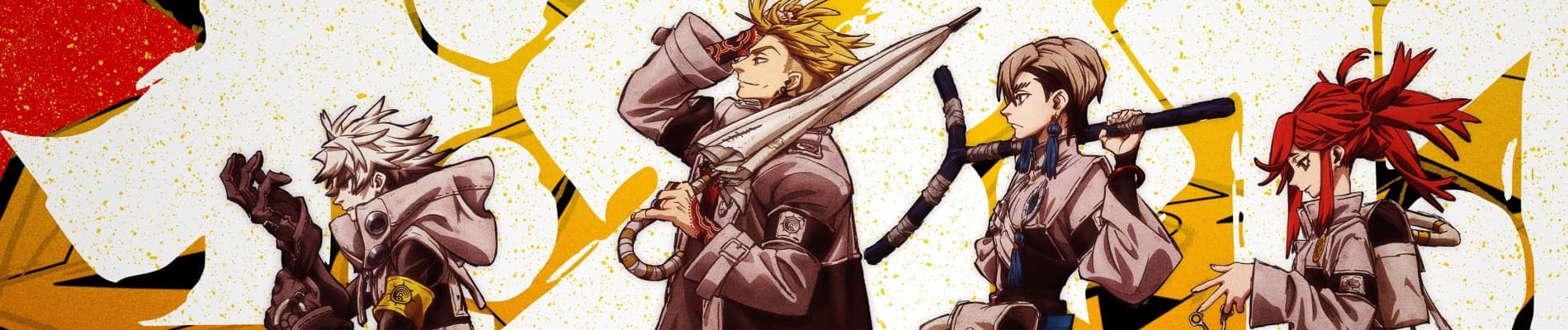
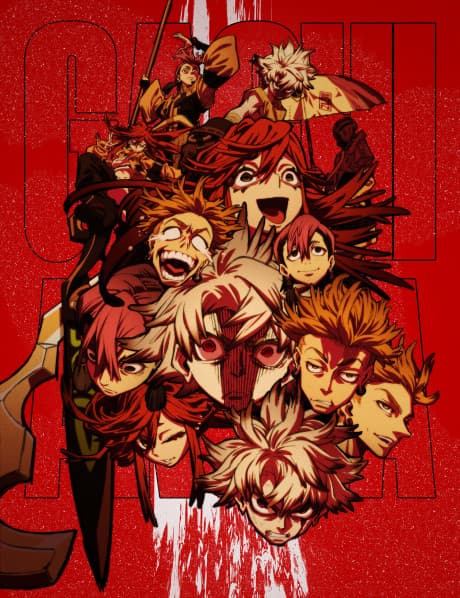
Studio bones has built its reputation on slick, dynamic animation (Fullmetal Alchemist, My Hero Academia), but with Gachiakuta, they've embraced a deliberately grimy aesthetic that feels like a departure from their usual polish. The floating city of Heaven's Ladder gleams with sterile perfection, all clean lines and antiseptic whites, while the surface world looks like it was animated with dirt under the nails. Character designs—particularly the supporting cast like Enjin (616 favorites on MAL) and Nijiku Zanka (473 favorites)—are angular and exaggerated, with scars, mismatched clothing, and weapons that look like they were cobbled together from scrap metal. This visual dichotomy serves the thematic core perfectly: the beautiful world above is built on ugliness, while the ugly world below contains unexpected beauty. The monsters born from garbage aren't just generic kaiju; they're grotesque amalgamations of consumer waste, plastic bags, and broken machinery that feel like commentary on our own disposable culture. In an interview about the Agaru Anime block programming, Suganuma mentioned wanting the animation to "feel tactile, like you could smell the rust and rot," and bones delivers exactly that—a world that feels lived-in, dangerous, and authentically filthy.
The sound of rebellion: Paledusk's "HUGs" and the punk ethos of survival
Music in Gachiakuta does something interesting: it refuses to be background. The opening theme "HUGs" by Paledusk (used for both OP and ED across episodes) isn't your typical anime J-pop track—it's a chaotic blend of metalcore, electronic breakdowns, and screamed vocals that sounds like the audio equivalent of rummaging through a dumpster. This isn't music designed to be pleasant; it's music designed to be disruptive. Sound director Fumiyuki Gou makes deliberate choices throughout the series, from the metallic clangs of garbage weapons to the unsettling silence of the floating city's privileged spaces. The contrast is stark: the world above is quiet, orderly, and controlled, while the world below is noisy, chaotic, and alive. This sonic landscape reinforces the show's central conflict between sterile order and messy survival. Community reviewer Benkei called the series "Edgy, Intense, Punk!" in their spoiler-free review, and they're not wrong—but it's punk in the original sense of the word, not as an aesthetic but as an ethos. The music doesn't just accompany the action; it embodies the show's rejection of polish and perfection in favor of raw, unfiltered expression.
Garbage as genealogy: How Gachiakuta recycles shonen tropes into something new
What makes Gachiakuta particularly fascinating is how it engages with its shonen DNA while simultaneously critiquing it. The MAL demographics list it as shounen, and structurally, it follows many of the genre's conventions: a young male protagonist, power progression, tournament-style battles, and a found family of misfits. But look closer, and you'll see how the show subverts these tropes at every turn. Rudo's power doesn't come from within; it comes from the literal trash around him. His "training" isn't about mastering techniques but about learning to see value in what others have discarded. Even the supporting cast—Caines Tamsy, Amo Empool, Guita Hebby Fantasia—aren't just sidekicks; they're fellow survivors with their own traumas and agendas. The show's connection to other works in the "fans also liked" category is telling: Soul Eater (4 votes) shares the weapon-wielding premise but with more gothic flair; Dorohedoro (2 votes) matches the grimy, chaotic worldbuilding; Sabikui Bisco (3 votes) and Kill la Kill (2 votes) share the punk sensibility. But Gachiakuta feels distinct in how thoroughly it commits to its garbage metaphor. As community reviewer aerialbolt noted, "Where the plot of 'Gachiakuta' fails, the characters, fun atmosphere, and general vibes pick it back up!" This gets at something important: the plot might follow predictable beats, but the execution—the way it marries theme to aesthetic—elevates it beyond mere genre exercise.
The politics of disposal: When your setting is a literal critique of late capitalism
Let's not mince words: Gachiakuta is a political anime. The floating city of Heaven's Ladder isn't just a cool visual; it's a direct metaphor for late-stage capitalism's tendency to externalize its waste—both material and human. The rich live in sterile comfort while literally throwing their garbage (and unwanted people) over the side, creating a hellscape below that they never have to see. This isn't subtle allegory; it's screaming-from-the-rooftops symbolism. The show's Japanese title—ガチアクタ—combines "gachi" (serious) with "akuta" (waste), creating a portmanteau that suggests both "serious garbage" and "seriously wasted." The English localization keeps the original title, recognizing that this isn't a concept that translates neatly. What's particularly smart about the political critique is how it's baked into the mechanics of the world: the monsters aren't natural disasters; they're literally born from human consumption and disposal. The weapons aren't magical; they're repurposed consumer goods. Even Rudo's quest for vengeance isn't framed as purely personal—it's positioned as part of a larger systemic rebellion. In an age where many shonen series shy away from explicit politics, Gachiakuta wears its critique on its sleeve, or more accurately, on its trash-stained armor.
The bottom line: Essential viewing for anyone tired of polished perfection
Final Score: 8.2/10 – The MAL score doesn't lie. Gachiakuta isn't perfect—the plot can feel derivative at times, and some character arcs follow predictable patterns—but its imperfections feel intentional, part of its punk-rock ethos. What it lacks in originality of structure, it makes up for in execution of theme. This is a show that understands the power of aesthetic consistency: every element, from the grimy animation to the chaotic soundtrack to the literal garbage weapons, serves the central metaphor. Director Fumihiko Suganuma and the team at bones have created something that feels both of its genre and rebelliously against it. In a media landscape increasingly dominated by algorithmically pleasing content, Gachiakuta is the equivalent of finding a perfectly sharp piece of broken glass in a dumpster—it might not be pretty, but it cuts deep. As community reviewer OskarL put it in their review titled "The Beauty of Edgy Anime That Isn't Really Edgy," this series represents "probably the biggest progress anime made on me in one season of watching it." That's the power of trash, it turns out: when everything else has been sanitized and polished into blandness, sometimes you need something rough, dirty, and dangerous to remind you what real feeling looks like.