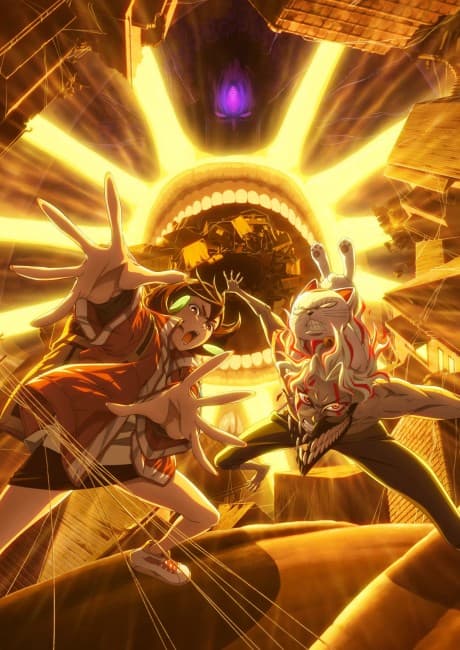
DAN DA DAN Season 2 weaponizes supernatural chaos to explore the terrifying intimacy of growing up
There's a particular kind of horror that comes not from jump scares or gore, but from the realization that the world you thought you understood is actually a thin veneer over something much stranger. Science SARU's DAN DA DAN Season 2 understands this deeply, transforming what could have been a straightforward supernatural action sequel into something far more compelling: a coming-of-age story where the monsters aren't just external threats, but manifestations of the terrifying process of becoming yourself. As Momo Ayase, Ken "Okarun" Takakura, and Jin "Jiji" Enjouji navigate the cursed Kitou family estate and the town's deeper mysteries, the show reveals its true genius—using UFOs, yokai, and psychic powers as metaphors for the awkward, painful, and occasionally beautiful process of adolescence.

When your haunted house is actually just your family's emotional baggage
What makes DAN DA DAN Season 2's approach to supernatural storytelling so refreshing is how it weaponizes domestic spaces. The Kitou family estate isn't just another haunted house—it's a physical manifestation of generational trauma, family secrets, and the ways our living spaces become repositories for emotional residue. Directors Abel Góngora and Fuuga Yamashiro (working from Yukinobu Tatsu's manga) understand that the most terrifying ghosts aren't the ones that go bump in the night, but the ones that live in the family photo albums, the inherited furniture, and the stories that get passed down but never fully explained. When Jiji's family home becomes the battleground, the show cleverly subverts the typical exorcism narrative—instead of just cleansing a space, our protagonists are forced to confront why it became haunted in the first place.
This thematic depth is what separates DAN DA DAN from more generic supernatural fare. As community reviewer melamuna noted in their 80/100 review, the season amplifies "Season 1's best parts" by making the supernatural elements feel less like random encounters and more like symptoms of deeper societal and personal issues. The Kitou family aren't just cartoonish villains—they're landlords, which in the context of modern economic anxieties makes them arguably scarier than any yokai. Their unsettling presence speaks to a very real fear: that the places we call home are never truly ours, that we're always at the mercy of someone else's rules and secrets. The show's R-17+ rating for violence and profanity feels earned not because of gore, but because of how brutally it explores these psychological spaces.
The awkward alchemy of teenage romance amidst supernatural chaos
At its heart, DAN DA DAN Season 2 is a romance—just one where the typical teenage awkwardness is amplified by psychic powers, alien encounters, and the constant threat of death. The relationship between Momo and Okarun evolves from Season 1's will-they-won't-they dynamic into something more complex and mature, precisely because the supernatural elements force them to communicate in ways most teenagers never have to. When your crush might need to use their powers to save you from a malevolent spirit, you skip a lot of the usual dating small talk. The show understands that romance isn't just about stolen glances and awkward confessions—it's about learning to trust someone with your vulnerabilities, and in DAN DA DAN, those vulnerabilities include your ability to see ghosts or your connection to alien technology.
What's particularly smart about how the show handles this is that it never lets the supernatural elements overshadow the human ones. When Momo narrowly evades abduction or when Okarun and Jiji are ambushed by the Kitou family, the tension comes not just from the immediate danger, but from what these moments reveal about their relationships. The community seems divided on this aspect—while reviewers like GustavoSchiavon praised how the season "evolves characters," others might find the balance between action and character development uneven. But that's precisely what makes it work: growing up is messy, and the show's structure reflects that messiness. The romance doesn't progress in a neat linear fashion because neither does personal growth when you're dealing with both supernatural threats and the ordinary terror of figuring out who you are.

Science SARU's visual language: Where the grotesque meets the gorgeous
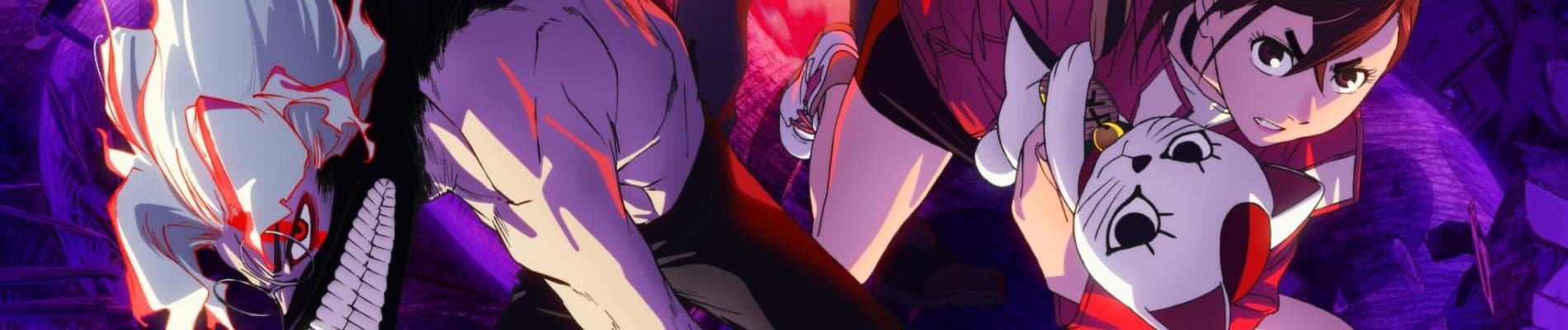
If there's one thing that immediately sets DAN DA DAN apart in the crowded field of supernatural anime, it's Science SARU's distinctive animation style. The studio, known for works like DEVILMAN crybaby and Keep Your Hands Off Eizouken!, brings a particular sensibility to Season 2 that elevates the material beyond its shounen demographics. The visual approach here is what I'd call "controlled chaos"—scenes that should feel overwhelming instead become meticulously composed studies in movement and emotion. When supernatural entities appear, they don't just pop into existence; they warp the space around them, distorting perspectives and playing with scale in ways that feel genuinely uncanny rather than merely scary.
This visual intelligence extends to character animation as well. Notice how Momo's movements change depending on whether she's using her powers or just being a teenager. There's a fluidity to the action sequences that contrasts beautifully with the more grounded, slightly awkward body language of everyday scenes. The directors understand that supernatural abilities should feel like extensions of personality, not just cool powers. Okarun's psychic abilities have a different visual texture than Jiji's more spiritually-oriented powers, and these differences tell us something about who these characters are. Even the color palette—which shifts from warm, domestic tones during quieter moments to sickly, unnatural hues during supernatural encounters—serves the narrative rather than just looking pretty.
What's particularly impressive is how the show handles its more grotesque elements. Given the R-17+ rating, there's certainly violence and body horror, but it's never gratuitous. Instead, the disturbing imagery serves the themes: bodies transforming, spaces warping, reality itself seeming to come unglued. These aren't just shock moments; they're visual representations of the characters' internal states. When the community praises the season as "whackier" and "hyper-surreal," they're responding to this deliberate visual strategy that uses surrealism not as an end in itself, but as a tool for emotional storytelling.
The soundtrack as emotional scaffolding
Music in anime often serves as emotional shorthand, but in DAN DA DAN Season 2, sound director Eriko Kimura and the musical contributors do something more sophisticated. The opening theme, "Kakumei Douchuu (革命道中)" by AiNA THE END, isn't just a catchy tune—it's a statement of purpose. The title translates to "Revolutionary Journey," which perfectly encapsulates the season's themes of personal and supernatural upheaval. The song's blend of traditional Japanese musical elements with modern production mirrors the show's own fusion of folklore and contemporary anxieties.
Similarly, WurtS's ending theme "Doukashiteru (どうかしてる)," which roughly means "Something's Wrong With Me," speaks directly to the teenage experience at the heart of the series. It's that feeling of being out of sync with the world, of sensing that you don't quite fit—a sensation that takes literal form in the supernatural elements of the plot. What's particularly effective is how the soundtrack integrates with the sound design more broadly. The creaks of the haunted house aren't just scary sounds; they're part of the musical landscape. The silence before a supernatural encounter isn't empty; it's pregnant with meaning.
This attention to sonic detail extends to voice performances as well. The way Momo's voice actor modulates between determined heroism and vulnerable uncertainty, or how Okarun's speech patterns change when he's using his powers versus when he's just being a nervous teenager—these aren't just good performances; they're integral to character development. In a season where characters are constantly discovering new aspects of themselves and their abilities, the voice work provides crucial emotional grounding. It's the difference between characters who feel like collections of traits and characters who feel like real people navigating impossible situations.

Why this town's secrets matter beyond the plot mechanics
The enigmatic town shrouded in legends and mysteries isn't just a backdrop for DAN DA DAN Season 2—it's a character in its own right, and more importantly, it's a metaphor for the process of growing up in a place that has its own history, its own rules, and its own secrets. Every town has its legends, its haunted places, its stories that get whispered but never confirmed. What the show understands is that these aren't just local color; they're the collective unconscious of a community, the stories we tell ourselves about who we are and where we come from.
As Momo, Okarun, and Jiji delve deeper into these mysteries, they're not just solving supernatural puzzles—they're learning how to navigate the complicated relationship between individual identity and community history. The town's secrets become their secrets, its traumas become their responsibilities. This is where the show transcends its shounen demographics to say something more universal about adolescence: that growing up means learning that the world is much more complicated than you thought, and that you have to figure out your place in that complexity.
Community reviewer CyberSage999 called the series "a quirky and fun action series with a charming cast," which isn't wrong, but feels like underselling what's actually happening here. Yes, it's fun. Yes, the cast is charming. But it's also deeply thoughtful about how places shape people and how people, in turn, shape the places they inhabit. The town's mysteries aren't just obstacles to overcome; they're lessons to be learned. And in learning them, our protagonists aren't just becoming stronger fighters—they're becoming more complete human beings.
The bottom line: A supernatural coming-of-age story that actually earns its emotional beats
DAN DA DAN Season 2 could have easily been a sophomore slump—a retread of Season 1's formula with bigger monsters and flashier fights. Instead, it deepens and complicates everything that made the first season work, transforming what could have been a straightforward supernatural action series into a genuinely thoughtful exploration of adolescence, identity, and the spaces we call home. With its 8.43/10 MAL score and #200 ranking, the community clearly recognizes something special here, even if different reviewers emphasize different aspects.
What makes the season truly exceptional is how it balances its many elements. The action is thrilling but never gratuitous. The comedy lands without undermining the drama. The romance feels earned rather than obligatory. And perhaps most impressively, the supernatural elements never feel like mere plot devices—they're integral to the emotional and thematic core of the story. When Momo, Okarun, and Jiji use their unique powers to survive and unravel the town's secrets, they're not just fighting monsters; they're fighting to understand themselves and each other.
Final Score: 8.5/10 – DAN DA DAN Season 2 proves that the best supernatural stories aren't about escaping reality, but about using the unreal to tell deeper truths about the human experience. It's a show that understands that growing up is its own kind of haunting, and that sometimes, the only way through is to embrace the weird, wonderful chaos of becoming who you're meant to be.