Black Clover screams its way through shonen tropes with exhausting, earnest charm
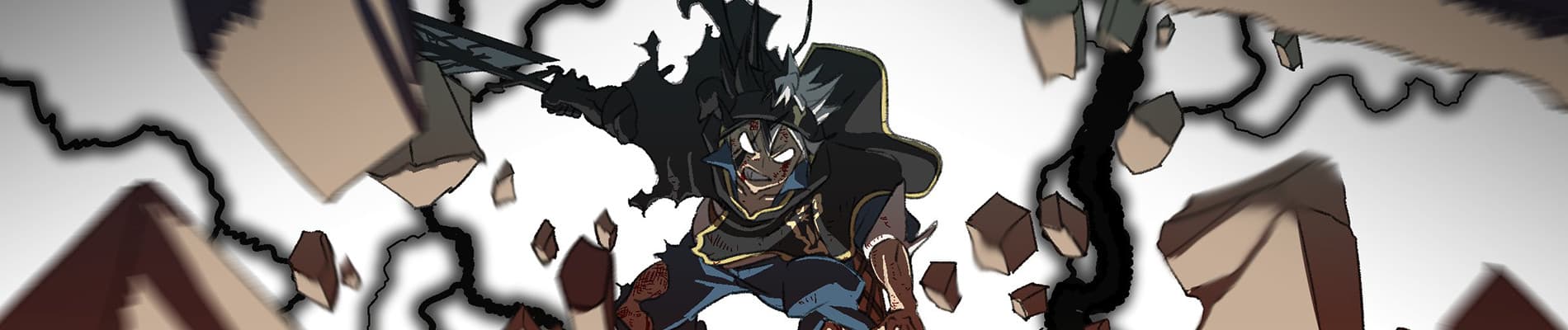
There's a moment early in Black Clover where protagonist Asta, having just received his anti-magic grimoire, stands before a powerful mage and declares with such volume and conviction that the animation seems to strain against the sound mixing. It's a scene that encapsulates the entire 170-episode experience: a show that refuses to whisper when it can shout, that would rather be loud and obvious than subtle and sophisticated. In an era where shonen anime like Jujutsu Kaisen and Demon Slayer have polished the genre to a gleaming, cinematic sheen, Black Clover feels like stumbling upon a time capsule from 2006—complete with all the rough edges, questionable production values, and unapologetic enthusiasm that implies. This isn't a show that evolved beyond its predecessors; it's a show that decided to embody them so completely that it becomes its own fascinating artifact.

The Unlikely Alchemy of Studio Pierrot's Persistence
Let's address the elephant in the room first: Studio Pierrot's adaptation is, by most technical metrics, a mess. The animation quality fluctuates wildly, with some episodes looking like they were storyboarded during a particularly chaotic lunch break. Directors Ayataka Tanemura and Tatsuya Yoshihara (who share directing duties in a way that feels as chaotic as the show itself) clearly struggled with the weekly grind of adapting 27 manga volumes into 170 episodes. Yet there's something strangely compelling about watching a studio known for Naruto and Bleach—two shows that also suffered from production issues—attempt to recapture that early-2000s magic. The community is divided on this point, with users like Shibou noting that "the adaptation takes away from the value, animation mainly," while others like VivavideoUser2x acknowledge how the show transformed from community punching bag to cult favorite. This tension between technical limitations and narrative ambition creates a weird authenticity; Black Clover feels handmade in a way that slicker productions don't.
Asta's Scream as Narrative Philosophy
If My Hero Academia's Deku represents the thoughtful, analytical hero, and Naruto's protagonist embodies the scrappy underdog, then Asta exists somewhere between them as a force of pure, unadulterated will. His defining characteristic isn't his lack of magic but his refusal to accept limitations—a trait expressed through his perpetually hoarse voice. This isn't subtle characterization; it's characterization as blunt instrument. Yet over 170 episodes, this approach reveals its own strange wisdom. In a genre where protagonists often gain power through tragic backstories or divine lineage, Asta's strength comes from sheer stubbornness. His rivalry with Yuno—the gifted, stoic counterpart to Asta's loud enthusiasm—works precisely because it's so archetypal. They're less characters than narrative principles given human form: talent versus effort, grace versus grit. The community often debates whether this simplicity is a flaw or feature, with user Limitless arguing it "surpasses the limits of the Shounen formula" through sheer commitment to its themes.

The Black Bulls: Where Trope Meets Family
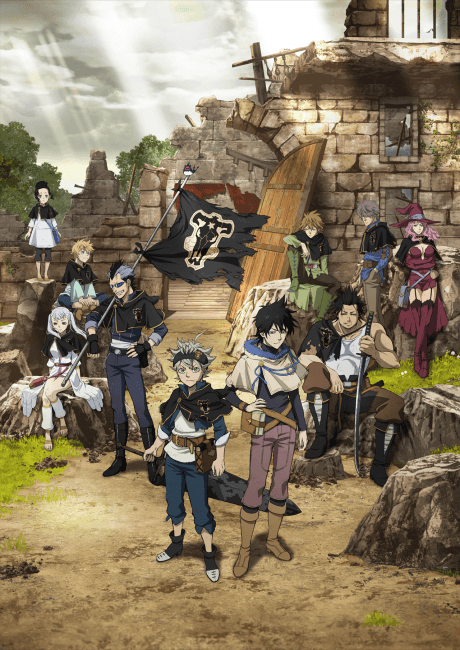
Noelle Silva's journey from arrogant noble to valued team member exemplifies Black Clover's approach to character development: it's predictable, emotionally transparent, and surprisingly effective. The Black Bulls squad operates as a collection of shonen archetypes—the drunk witch (Vanessa), the quiet poison user (Gordon), the brooding anti-hero (Nacht)—but their interactions transcend their templates through sheer accumulation of screen time. Over 170 episodes, these characters don't so much develop as they settle into their roles with increasing comfort. There's a warmth to their found-family dynamic that feels earned precisely because the show takes its time. Unlike Fairy Tail's instant bonds or Naruto's dramatic declarations, the Black Bulls' loyalty builds through small moments: shared meals, training sessions, and battles where their complementary abilities click into place. It's the anime equivalent of a well-worn leather jacket—initially stiff, but comfortable once broken in.
Magic Systems as Social Commentary
Black Clover's worldbuilding deserves more credit than it typically receives. The magic system—where one's grimoire determines social status and power—functions as a surprisingly sharp critique of hereditary privilege. The Clover Kingdom's rigid class structure mirrors real-world inequities, with noble families hoarding magical knowledge and commoners struggling to advance. Asta's anti-magic represents more than just a cool power; it's a narrative device that literally dismantles established hierarchies. When he negates a noble's spell, he's not just winning a fight—he's challenging an entire social order. This thematic depth often gets overlooked amid the shouting and spectacle, but it's what separates Black Clover from more superficial shonen fare. The show understands that fantasy works best when its magic serves as metaphor, and Asta's journey from magic-less orphan to potential Wizard King becomes a story about meritocracy versus aristocracy.

The Cultural Context of Shonen Persistence
To understand Black Clover, you need to understand where it sits in anime history. Premiering in 2017, it arrived as the shonen genre was undergoing a renaissance. My Hero Academia had already redefined superhero narratives, Demon Slayer was about to revolutionize animation standards, and Jujutsu Kaisen waited in the wings. Against this backdrop, Black Clover felt almost deliberately old-fashioned—a throwback to the era of Naruto and Bleach when shows ran for hundreds of episodes and embraced their tropes without irony. The opening theme "Haruka Mirai" by Kankaku Piero captures this perfectly: it's an anthem of perseverance that wouldn't feel out of place in 2005. This isn't accidental nostalgia; it's a conscious choice to operate within a specific tradition. As user selimkatakuri2 notes in their review titled "Black Clover is Underrated," the show's commitment to classic shonen structure becomes its greatest strength once you accept its terms.
The Bottom Line: Earnestness as Radical Act
Black Clover's 7.9/10 score (8.14 on MyAnimeList) feels appropriate—it's not a masterpiece, but it's better than its reputation suggests. In a media landscape increasingly dominated by irony and deconstruction, there's something radical about a show this sincere. It believes in friendship, hard work, and shouting your dreams to the heavens without a trace of self-awareness. The production may be uneven, the pacing occasionally glacial, and the tropes sometimes overwhelming, but the heart is undeniable. Like Asta himself, Black Clover succeeds not through natural talent but through sheer, stubborn persistence. It's the anime equivalent of that friend who talks too loud and hugs too hard—annoying at first, but ultimately endearing because their enthusiasm is genuine. Final Score: 7.5/10 – Flawed but fascinating, a time capsule of shonen's past that somehow found its place in the present.