Attack on Titan Season 3 trades monster horror for political paranoia, and it's all the better for it
For a series that built its reputation on the visceral terror of giant naked humanoids devouring people like hors d'oeuvres, Attack on Titan's third season performs a remarkable bait-and-switch. The real monsters, it turns out, aren't the Titans lumbering outside the walls—they're the bureaucrats, priests, and military police operating within them. Directed by Tetsurou Araki and Masashi Koizuka, this 12-episode arc (adapting manga volumes 13-17) pivots from survival horror to political thriller with such confidence that you barely notice the absence of Colossal Titans until you realize you're holding your breath for entirely different reasons. This is the season where Attack on Titan grows up, trading spectacle for substance while somehow making parliamentary hearings as tense as Titan battles.
When the walls close in: How Attack on Titan discovers its true enemy
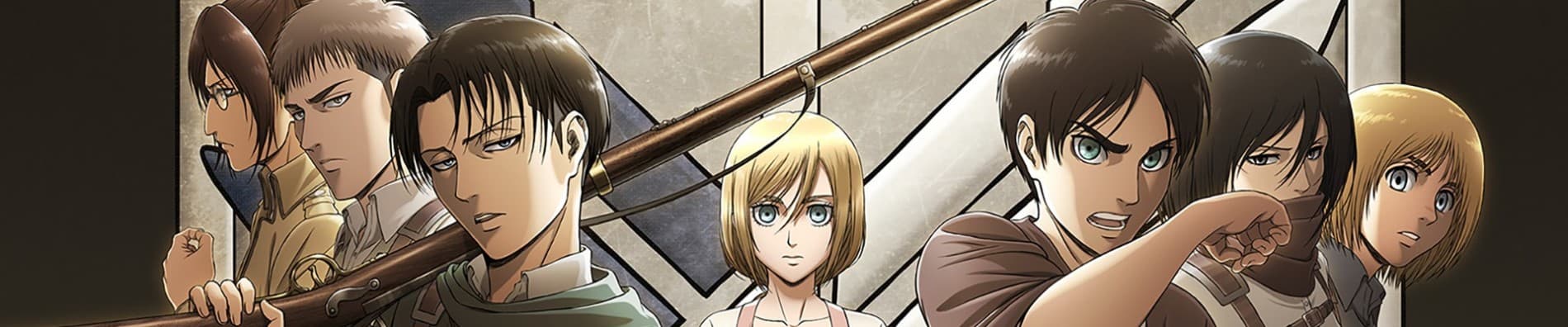
Remember when Attack on Titan was about fighting giant monsters? Season 3 gently pats that premise on the head and sends it to bed, revealing that the series' most compelling conflict was never human versus Titan, but human versus human. The Levi Squad's assignment to protect Eren and Historia becomes less about external threats and more about navigating a labyrinth of institutional corruption. The Military Police—previously background bureaucrats—emerge as the season's true antagonists, their polished uniforms and political maneuvering proving more terrifying than any Titan's roar. This shift isn't just narrative evolution; it's genre subversion on a grand scale. While the community review from 'Seushe' correctly notes that this season "dives deep into the true nature behind how society has lived within walls," they undersell just how radical this pivot feels. We're watching a shounen series—traditionally focused on external threats and power escalation—morph into something resembling The Wire with medieval aesthetics. The gore is still present (this is still an R-rated series, after all), but now it's administered through torture chambers and political assassinations rather than Titan bites.

Levi vs. Kenny: The mentor becomes the student again
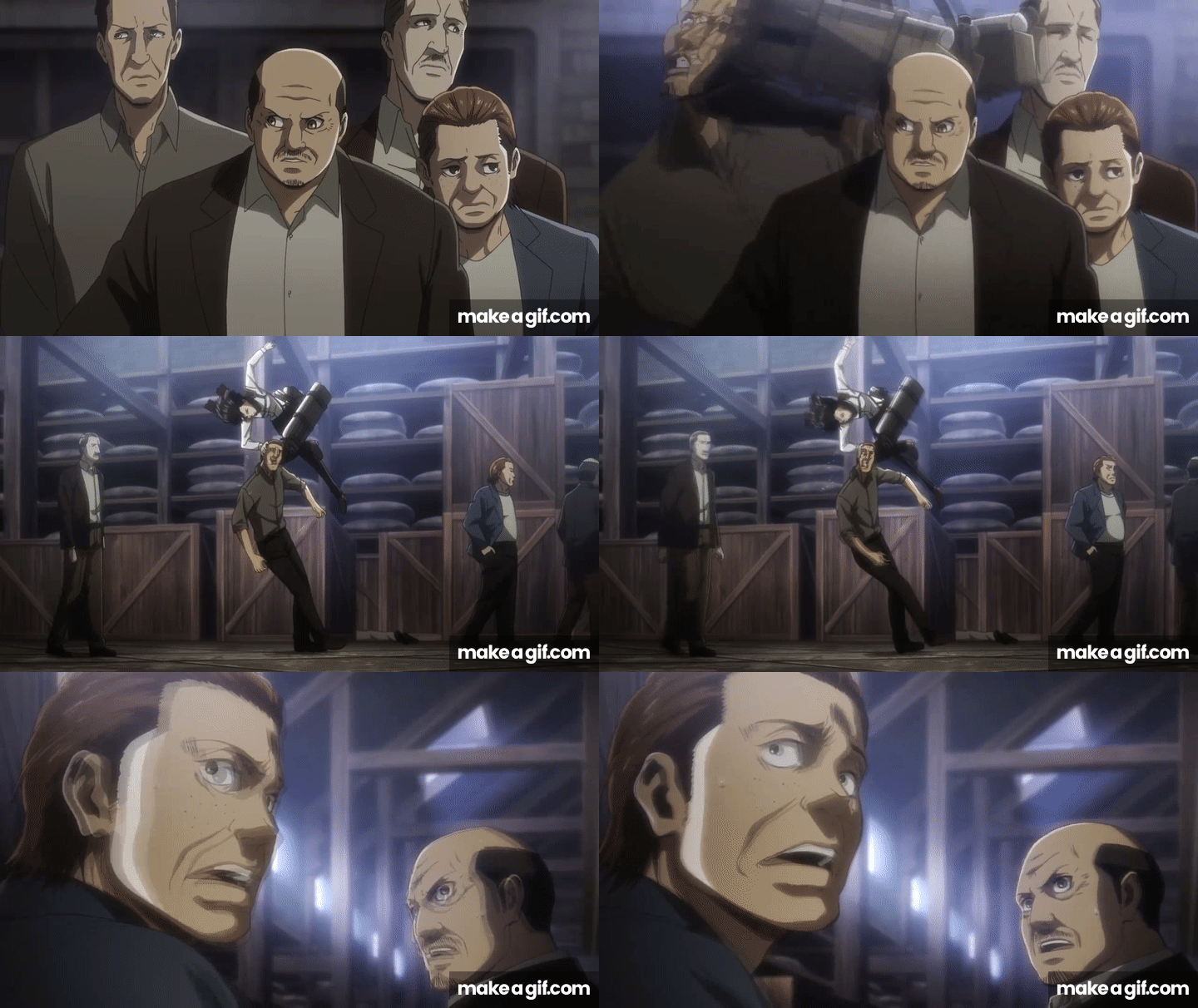
If Season 3 has a secret weapon beyond its political intrigue, it's the introduction of Kenny the Ripper, Levi's uncle and former mentor. Voiced with gravelly menace, Kenny represents everything Levi could have become—a ruthless killer operating outside any moral framework. Their reunion isn't just a family drama; it's a philosophical showdown between two approaches to survival in a cruel world. While Levi has channeled his violence into military discipline and loyalty to Erwin, Kenny remains a pure predator, taking the contract to capture Eren and Historia because, well, someone's paying. The community favorite count tells its own story here: Levi sits at 145,352 favorites while Kenny languishes at 496, suggesting that audiences prefer their violence institutionalized rather than freelance. Yet their dynamic provides the season's most compelling character work, forcing Levi to confront his origins and question whether his current path represents progress or just a different flavor of brutality. Their rooftop chase sequence—animated with WIT Studio's characteristic fluidity—isn't just action for action's sake; it's a physical manifestation of their ideological clash, with Levi literally chasing down the ghost of his past.
The sound of paranoia: How music and silence build tension
Sound director Masafumi Mima deserves particular praise for how Season 3 uses audio to amplify its political thriller sensibilities. The opening theme, "Red Swan" by YOSHIKI feat. HYDE, represents perhaps the boldest musical choice in the entire franchise—replacing Linked Horizon's typically bombastic anthems with a melancholic ballad that sounds more like a James Bond theme than an anime opening. It's a perfect tonal match for a season more concerned with psychological tension than physical confrontation. Meanwhile, the ending theme, "Akatsuki no Chinkonka" by Linked Horizon, provides the traditional epic sound but now feels like a lament for lost innocence rather than a battle cry. Within episodes, Mima employs stretches of near-silence that would have been unthinkable in earlier seasons—tense conversations in dimly lit rooms where the only sounds are whispered conspiracies and the occasional drip of blood. This auditory restraint makes the moments of violence hit harder, creating a push-pull dynamic that keeps viewers perpetually off-balance.
Eren's identity crisis: When the chosen one doesn't want the job
Eren Yeager's character arc in Season 3 represents one of the most interesting deconstructions of the shounen protagonist trope since Evangelion's Shinji Ikari. With 73,994 favorites, Eren remains popular, but here he's stripped of his usual fiery determination and forced to confront his own limitations. His struggles with Titan transformation aren't just a plot device; they're a metaphor for the burden of being "special" in a system that wants to weaponize that特殊性. While Mikasa (56,566 favorites) and Armin (21,503 favorites) continue to develop as characters—Mikasa grappling with her protective instincts, Armin with his strategic brilliance—Eren's journey feels particularly poignant because it's about powerlessness rather than empowerment. He's the series' titular "attack" Titan, yet for much of this season, he's the one being attacked, protected, and manipulated by various factions. This inversion creates fascinating tension: we're watching a protagonist whose primary role is to be a pawn in other people's games. It's a bold narrative choice that pays dividends in character depth, even if it occasionally frustrates viewers expecting more traditional heroics.
From shounen to prestige drama: Attack on Titan's genre evolution
What makes Season 3 particularly fascinating from a cultural perspective is how it bridges the gap between traditional anime demographics and prestige television storytelling. As a shounen series (targeted at young men), Attack on Titan could have comfortably rested on its action set pieces and power fantasy elements. Instead, it leans into complex political machinations that wouldn't feel out of place in Game of Thrones or House of Cards. The community comparisons to shows like Vinland Saga and Fullmetal Alchemist: Brotherhood (both noted in the "fans also liked" data) make perfect sense—these are series that similarly use their genre frameworks to explore weighty themes of war, morality, and institutional corruption. Yet Attack on Titan goes further in its willingness to slow down, to let conversations breathe, to prioritize ideological conflict over physical combat. Episode directors Yasuhiro Akamatsu and Ken Andou deserve credit for maintaining visual interest during these talk-heavy sequences, using careful framing and character blocking to keep political discussions from feeling static. The result is a season that challenges its audience's expectations while deepening the series' thematic resonance.
The visual language of confinement
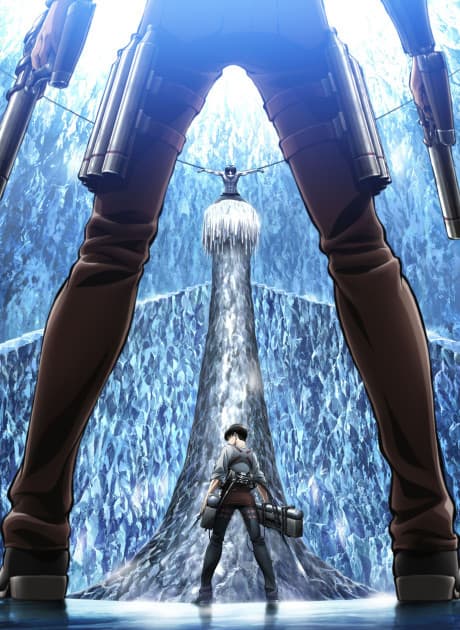
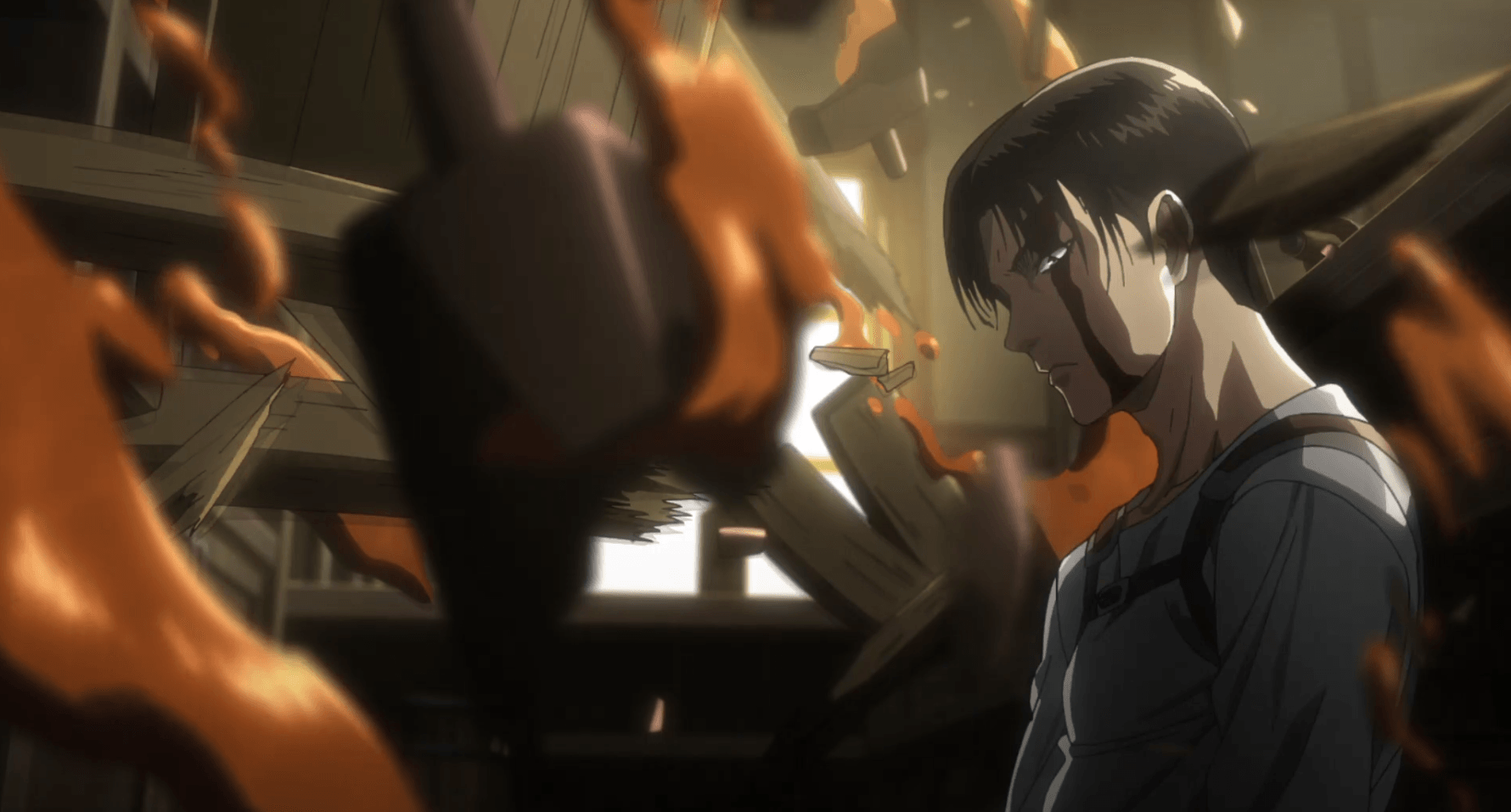
WIT Studio's animation continues to impress, but in Season 3, their artistry serves a different master. Where previous seasons emphasized scale and motion (Titans towering over cities, 3D Maneuver Gear acrobatics), this season focuses on confinement and claustrophobia. The walls that once protected humanity now feel like prisons, and the animation reflects this shift. Scenes set in underground chambers, narrow alleyways, and cramped safe houses dominate the visual landscape, with the camera often positioned to emphasize how little space characters have to maneuver—both physically and politically. Even outdoor scenes feel constrained, with the ever-present walls looming in the background as a constant reminder of humanity's limited horizons. This visual approach creates a pervasive sense of unease that perfectly complements the narrative's paranoid tone. When action does occur—like Levi's breathtaking takedown of Kenny's squad—it feels like a release of pent-up tension, a momentary escape from the season's prevailing claustrophobia.
The community divide: Political intrigue vs. Titan action
Scanning the community reviews reveals an interesting split in how fans received this season. While reviewers like 'CryingLad' celebrate that "this is where things get real good" and 'stassi01' simply exclaims "WOW! This season was intense," there's an unspoken tension in the fandom about whether this political pivot represents evolution or betrayal. Some viewers undoubtedly miss the straightforward Titan-slaying action of earlier seasons, while others (like myself) find the series infinitely more compelling now that it's grappling with systemic corruption rather than just monstrous threats. This divide speaks to Attack on Titan's ambitious scope—it's trying to be multiple things to multiple audiences, and Season 3 represents its clearest statement yet about what kind of series it wants to be. The MAL score of 8.64/10 (ranked #85 with over 2.6 million members) suggests that most viewers appreciate this evolution, even if they occasionally miss the simpler days of fighting mindless giants.
The bottom line: A necessary evolution
Attack on Titan Season 3 earns its 8.5/10 score not through spectacle (though it has moments of breathtaking animation) but through narrative courage. This is the season where the series stops being about what's outside the walls and starts being about what's wrong with the society inside them. It trades monster horror for political paranoia and emerges stronger for it, proving that the most terrifying threats aren't always the biggest or loudest—sometimes they're the ones wearing uniforms and following orders. While the reduced episode count (12 compared to previous seasons' 25) means some plot threads feel rushed, the overall effect is one of remarkable focus and maturity. As the community reviewer 'Ryzex18' correctly identifies, this is indeed "The Start of Something Big"—not just for the franchise's plot, but for its artistic ambitions. Season 3 doesn't just advance Attack on Titan's story; it redefines what kind of story Attack on Titan wants to tell, setting the stage for the even more ambitious revelations to come in Season 3 Part 2. In a media landscape crowded with stories about fighting monsters, Attack on Titan Season 3 reminds us that the real battle is often against the systems that create them.